
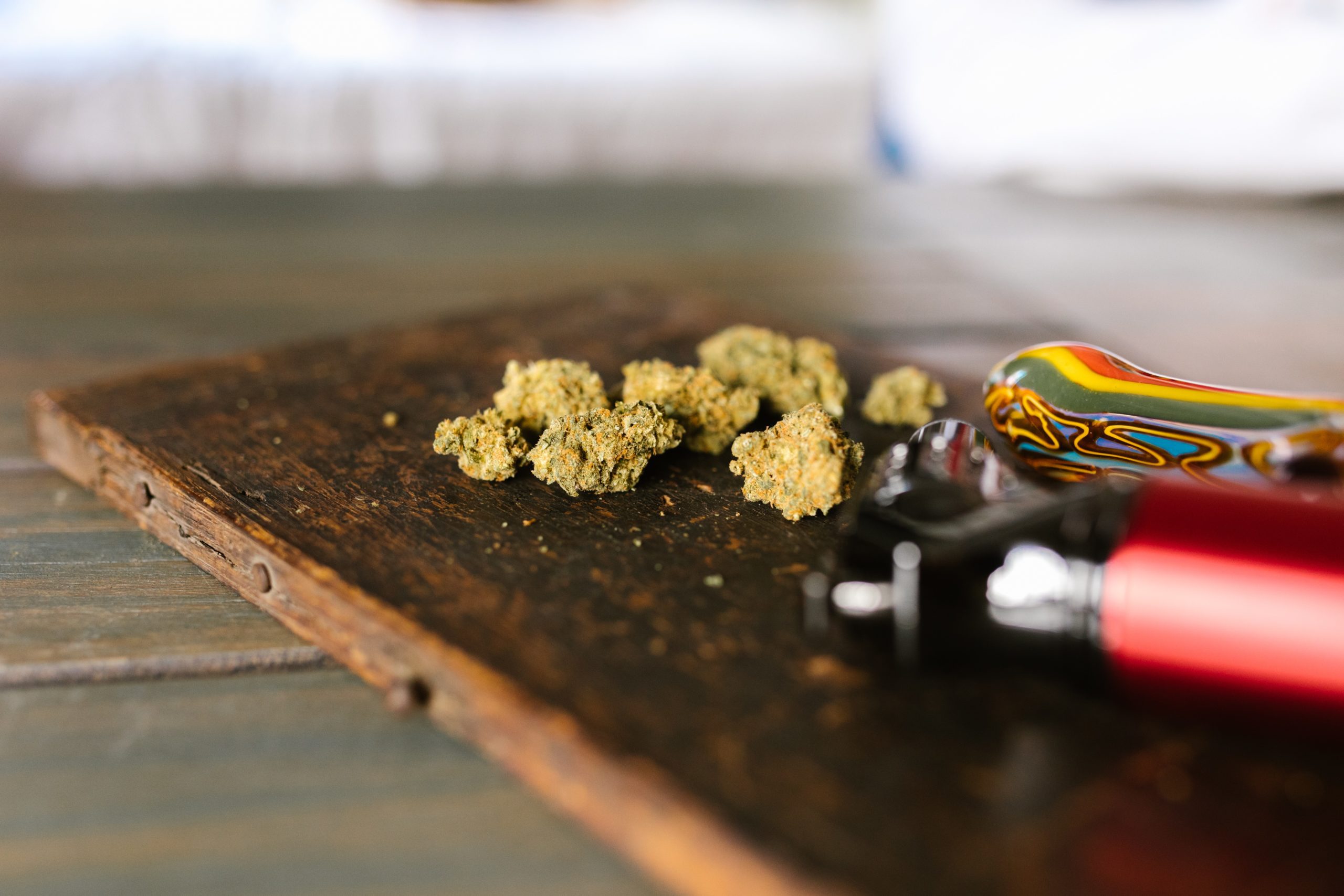
In the inaugural week of adult-use sales in Maryland, the combined sales of medical and recreational cannabis products by marijuana retailers reached nearly $21 million. This landmark moment in Maryland’s cannabis industry is the result of a significant historical development—the legalization of recreational cannabis in the state.
The journey toward this legalization began when Maryland voters approved the measure in November of the previous year. This demonstrated a growing acceptance of cannabis and a desire for reform in the state. Following the mandate from the voters, lawmakers faced the task of developing and implementing regulations for adult-use sales within a tight timeline.
Their goal was to finalize these regulations by July 1, ensuring a smooth transition and timely commencement of the legislation. The process involved careful consideration of various factors, including public safety, taxation, licensing, and social equity.
Now, as the doors opened for adult-use sales, the impressive sales figures of nearly $21 million reflect the enthusiasm and demand for legal cannabis in Maryland. This initial surge in sales aligns with the patterns observed in other states that have already legalized cannabis, hinting at a positive trajectory for the industry in Maryland.
Projections from the 2023 MJBiz Factbook indicate that recreational cannabis sales in Maryland have the potential to reach $275 million this year. Looking further ahead, these figures are expected to soar to an astounding $2.1 billion by 2027. These optimistic forecasts not only illustrate the growing acceptance and demand for cannabis but also highlight the economic opportunities presented by the legalized cannabis market in the state.
As Maryland embraces this new era, it is important to consider the values of social equity and inclusivity. The Maryland Department of Commerce has introduced the Cannabis Business Assistance Fund to support social equity licensees in their cannabis business ventures. This fund aims to create opportunities for historically neglected communities by directing investments into businesses located in these areas. By fostering economic growth and equity within the burgeoning cannabis industry, Maryland strives to ensure that the benefits of legalization are felt by all its residents.
Source: Mjbizdaily
EXPLORE MORE NEWS



Newsletter