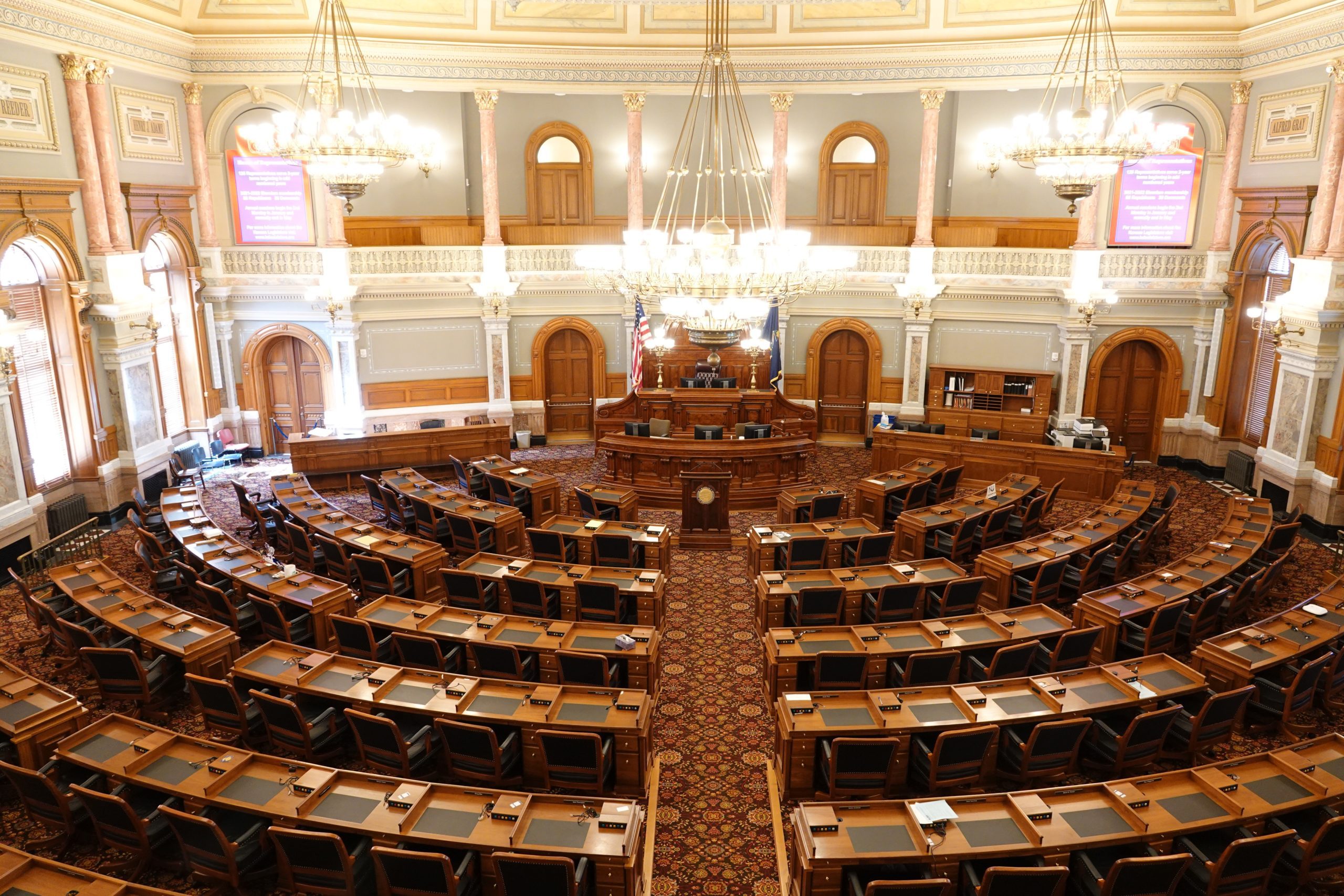
In a groundbreaking move, the Senate Banking Committee has approved the Secure and Fair Enforcement Regulation (SAFER) Banking Act, which seeks to bridge the gap between financial institutions and cannabis companies. This legislation, designed to end the cash-only transactions plaguing the industry, is now headed to the Senate floor after years of committee revisions and discussions.

The growing cannabis market in the United States has faced uncertainty due to federal legal ambiguity, forcing cannabis businesses to rely on cash transactions, posing significant risks. While the legislative journey ahead remains challenging, the bipartisan committee support signifies a pivotal moment for the cannabis industry.

Senator Jeff Merkley, one of the bill’s sponsors, provided insights into the bill’s significance:

“Over the past eight years, the rise of medicinal and recreational cannabis programs in numerous states has increased awareness of the challenges posed by a cash-based industry. The bill aims to address these issues, including the risk associated with cash transactions and the inconvenience faced by businesses when banks sever relationships due to cannabis involvement.”

The potential for banks to provide services to a billion-dollar industry in states like Oregon is substantial. However, this bill primarily seeks to aid small businesses struggling with banking access rather than benefiting large banks.

While the bill addresses banking issues, it’s important to note that it is separate from other cannabis-related reforms, such as tax changes or drug rescheduling. It aims to tackle banking challenges without being directly tied to other issues.

A crucial aspect of the bill emphasizes that regulators should not instruct banks to close accounts based on moral judgments. Section 10 underscores that regulators should not act as moral police.

Additionally, the bill addresses restorative justice, acknowledging the disproportionate impact of cannabis-related prosecutions on communities of color. It calls for equity and diversity assessments within the cannabis industry, data collection for specific business demographics, recognition of cannabis income for federally backed mortgages, and allowing certain financial institutions to serve cannabis dispensaries and subcontractors.

The Senate Banking Committee’s approval of the SAFER Banking Act is a significant milestone for the cannabis industry. While challenges lie ahead in Congress, bipartisan support and growing awareness suggest positive change is on the horizon. This bill could revolutionize the industry, improve financial security, and promote justice for communities unfairly affected by cannabis-related prosecutions.

Source: CNN Edition

EXPLORE MORE NEWS
Major Corporations Investing in Cannabis

As cannabis legalization continues to spread across the country, major corporations are increasingly taking notice and investing in the industry. In April of 2023, a major beverage company announced a $100 million investment in a cannabis-infused drink startup, signaling the growing trend of large corporations entering the cannabis space.

Unveiling the Midwest: Exploring Cannabis Legalization and Consumer Behavior

Can it find acceptance in Peoria? This quintessential American question examines the likelihood of a new trend, behavior, or occurrence gaining widespread approval. The term “Peoria” refers to the city in Illinois and embodies the notion that if a concept gains traction in the Midwest, it attains a mainstream status. When the wave of cannabis legalization emerged in 2012, it primarily took root in predictable locales – the coasts. Early victories for legalization in states like Colorado, Oregon, Washington, and Maine were not unexpected, given their reputation for a blend of progressive and Libertarian-leaning politics. However, the real question lingered: When would this movement extend to the Heartland? The answer arrived in 2018, when Michigan became the first Midwestern state to endorse adult-use legalization. With progressive pockets such as Ann Arbor and the presence of an urban hub like Detroit, Michigan might have been perceived as an outlier. Subsequently, Illinois followed suit in 2020, and to the astonishment of many, Missouri in 2022. The latest addition to this Midwestern lineup is Minnesota, with its recent introduction of an adult-use cannabis initiative. Ohio aims to place a similar measure on the ballot in 2024. As for Iowa, Indiana, and Wisconsin? The prospect appears remote.

NCAA Medical Committee Calls for End to Cannabis Penalties for College Athletes

In a significant and up-to-date policy shift, the NCAA (National Collegiate Athletic Association) medical committee has recommended that college athletes should no longer face penalties for using cannabis. This progressive stance reflects the evolving landscape of cannabis regulations across the United States. The committee has firmly asserted that drug testing efforts should be redirected towards detecting performance-enhancing substances, leaving cannabis use without punitive measures. This recommendation comes after the committee conducted a thorough review of existing policies and solicited input from member organizations. It anticipates that the final decision on this matter will be made in the fall, following consultations and legislative processes within each of the NCAA’s governing bodies.

Despite recent challenges, the California Cannabis GDP could still support a small island nation.

California’s marijuana industry continues to dominate as the world’s largest cannabis market, despite facing financial and tax challenges. According to the recently published MJBiz Factbook, the state is estimated to generate nearly $5.9 billion in legal recreational and medical marijuana sales in 2023. To put this into perspective, the revenue from marijuana sales in California could support the economy of a small island nation.

Newsletter