
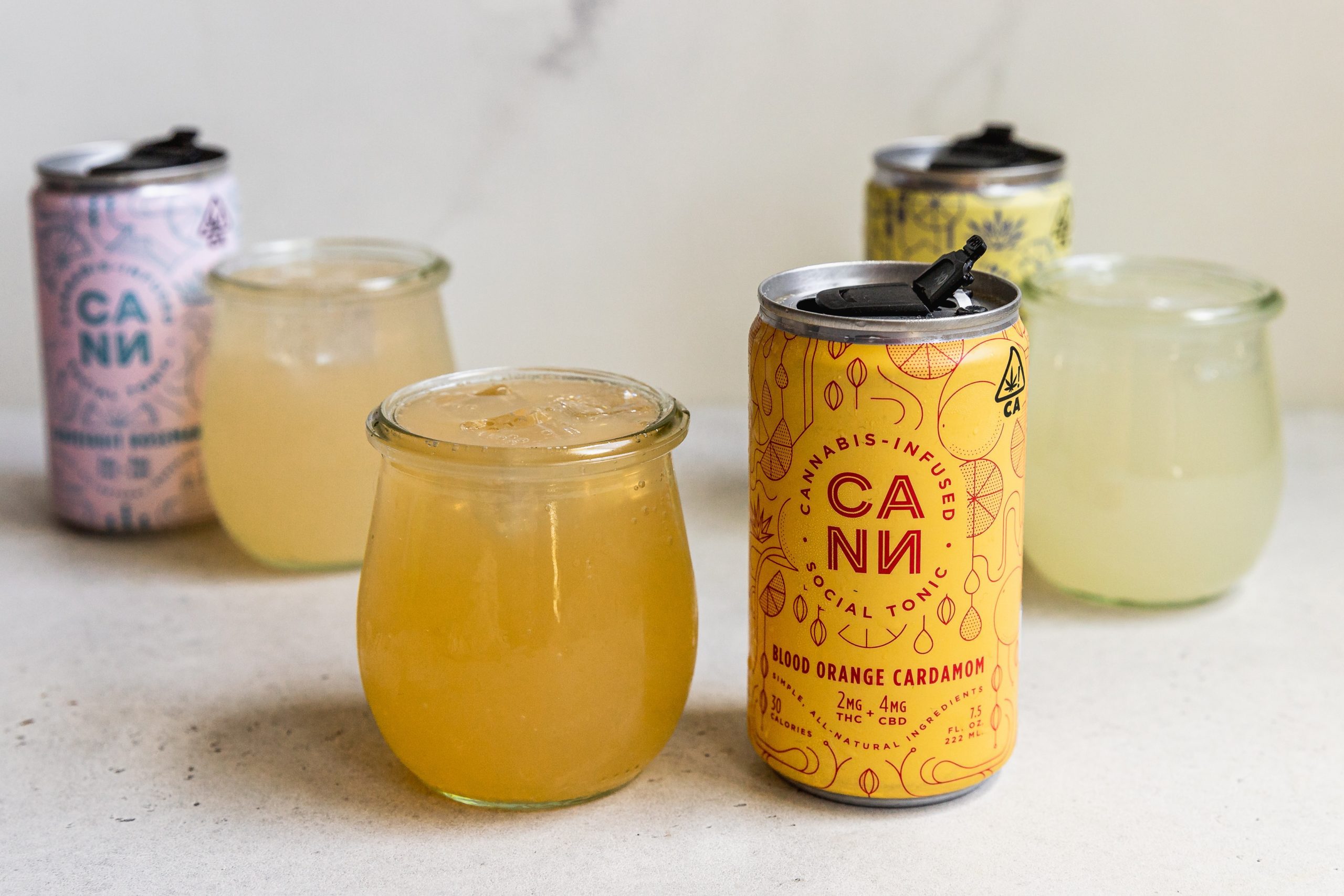
Cannabis consumption is no longer limited to smoking or edibles. In recent years, the industry has seen the rise of cannabis-infused beverages as a new way for consumers to enjoy the benefits of cannabis. These drinks come in various forms such as sodas, teas, beers, and even wines. With their discreet nature and easy consumption, cannabis-infused beverages have become increasingly popular among cannabis consumers.
The process of making cannabis-infused beverages begins with extracting cannabinoids from the cannabis plant. One common method of extraction is CO2 extraction, which involves using pressurized carbon dioxide to extract cannabinoids from the plant material. This method is preferred because it’s safe, efficient, and produces a high-quality extract. Another method is ethanol extraction, which uses ethanol to dissolve the cannabinoids and other compounds in the plant.
Once the extract is obtained, it’s then infused into the beverage using a variety of techniques. One common method is to emulsify the extract into a water-soluble form, which allows for better absorption and distribution throughout the beverage. This can be done using techniques such as nanoemulsion, which breaks down the extract into tiny particles that can easily mix with the beverage. Other methods include using liposomes, which are tiny fat bubbles that can carry the extract, or microemulsions, which use surfactants to create stable mixtures.
There are several advantages to using cannabis-infused beverages over traditional methods of consumption. One major advantage is the fast onset time, with effects typically being felt within 15-30 minutes of consumption, as opposed to 30-90 minutes for edibles. The effects also tend to be more predictable and consistent, as the dosage is easier to control. Additionally, cannabis-infused beverages offer a discreet way to consume cannabis, with no smoke or smell.
The trend towards cannabis-infused beverages has been gaining momentum in recent years. Sales of cannabis-infused drinks reached $64 million in the US in 2022, and the global market for cannabis-infused beverages is projected to reach $2.8 billion by 2025, according to a report by Grand View Research. The same report also predicts that the cannabis-infused beverage market will grow at a compound annual growth rate of 17.8% from 2022 to 2025.
One reason for the growing popularity of cannabis-infused beverages is the fact that they appeal to a wide range of consumers, including those who may not be interested in smoking or edibles. With a variety of flavors and potencies available, there is something for everyone.
In addition, infused beverages are being embraced by the mainstream market. In 2023, a major beverage company invested $100 million in a cannabis-infused drink startup, signaling a growing interest in this sector of the cannabis industry.
According to a survey by BDS Analytics, 20% of cannabis consumers in the US have tried cannabis-infused beverages, and 44% are interested in trying them. This shows that there is significant potential for growth in this market, as more consumers become interested in incorporating cannabis into their lifestyles.
The potential impact of cannabis-infused beverages on the industry is significant. With the legalization of cannabis becoming more widespread, the market for infused beverages is expected to grow significantly in the coming years. According to a report by Zion Market Research, the global cannabis-infused beverages market is expected to reach $2.8 billion by 2025. This growth is driven by increasing demand from consumers who are looking for a healthier, more discreet way to consume cannabis.
The emergence of cannabis-infused beverages has also attracted the attention of major beverage companies. For example, in 2022, Molson Coors announced a joint venture with Hexo Corp to develop cannabis-infused beverages for the Canadian market. In 2023, PepsiCo announced that it was considering the possibility of entering the cannabis-infused beverage market. These investments from major companies are a sign of the growing acceptance of cannabis as a mainstream consumer product.
In conclusion, cannabis-infused beverages are an exciting new development in the cannabis industry. With their fast onset time, consistent dosing, and discreet nature, they offer a convenient and accessible way for consumers to enjoy the benefits of cannabis. As the market for infused beverages continues to grow, we can expect to see more innovation and investment in this space, further cementing cannabis as a legitimate and valuable industry.
EXPLORE MORE NEWS



Newsletter