
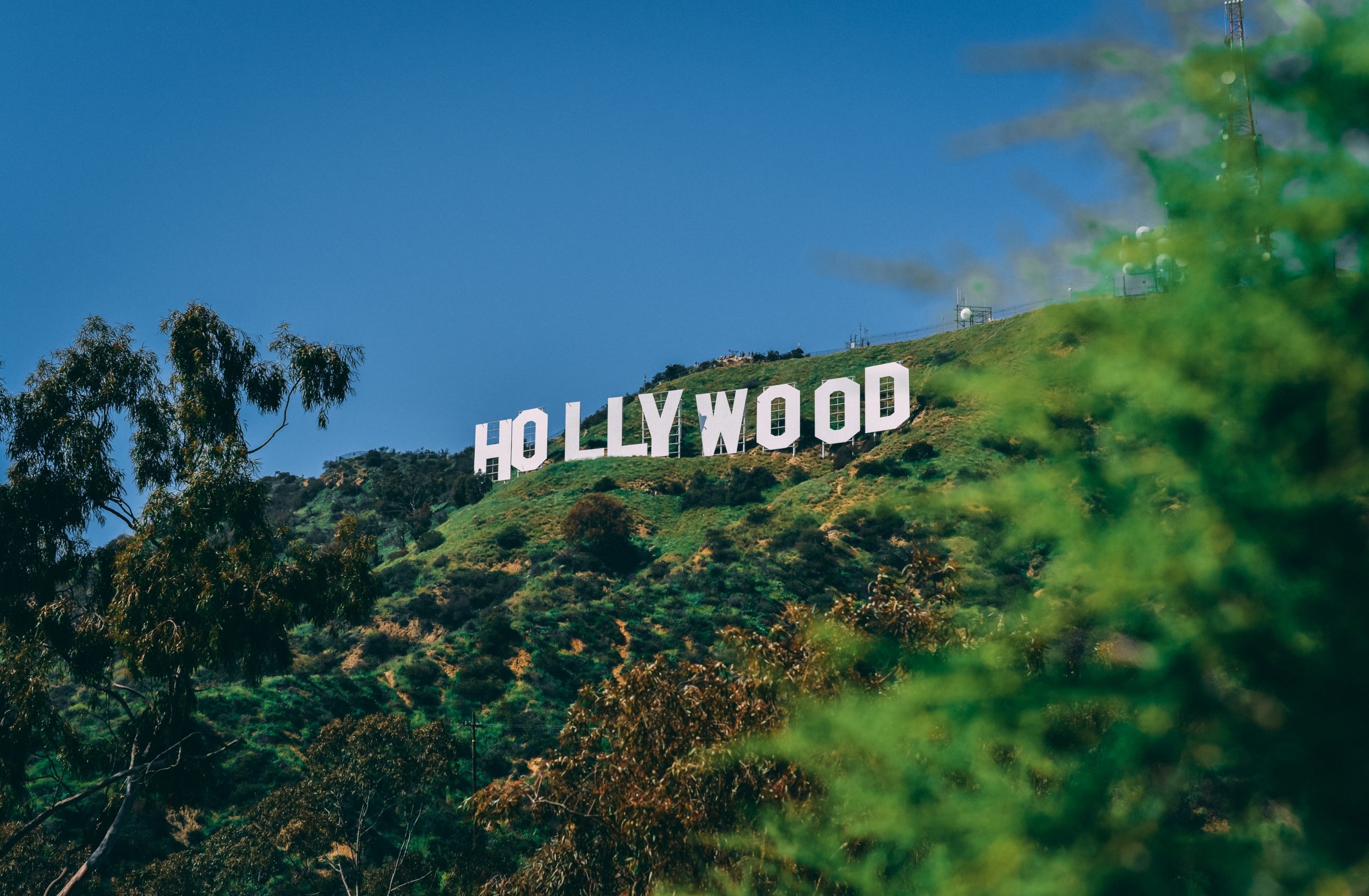
California, the first state to legalize medical marijuana over two decades ago, has now taken a significant step forward by legalizing recreational marijuana for adults aged 21 and older. As the most populous state in the United States, this move marks a significant development in the nationwide trend toward marijuana legalization. However, the federal government still classifies marijuana as a controlled substance, highlighting the ongoing conflict between state and federal laws. This article explores the implications of this momentous decision and the challenges that lie ahead for California.
The timeline of cannabis legalization in California:
In 2016, voters approved legal recreational use, Proposition 64, making marijuana legal in California, and gave the state a year to write regulations for a legal market that would open in 2018. This was by no means an easy journey, as you can see from this timeline of marijuana reforms in California:
- 1975: California reclassifies cannabis possession from felony to misdemeanor
- 1996: California was first state to legalize medical marijuana (Proposition 215, Compassionate Use Act)
- 2011: California decriminalizes marijuana possession (reduced the charge of possession of one ounce of cannabis or less, from a misdemeanor to an infraction, similar to a traffic violation””a maximum of a $100 fine and no mandatory court appearance or criminal record) (SB 1449)
- 2014: California reclassifies certain drug possession offenses (Proposition 47) (reclassified many low level theft and drug possession offenses from felonies to misdemeanors)
- 2016: California legalizes recreational marijuana (Proposition 64)
- 2018: Legal recreational market officially opens in California
The Dawn of a New Era:
On the first day of the new year, Californians enthusiastically welcomed the legalization of recreational marijuana. Adults can now possess up to one ounce of marijuana and grow up to six plants for personal use. The long-awaited change has been met with excitement by both consumers and entrepreneurs alike.
Matt Lucero, the owner of Buddy’s Cannabis, expressed his joy at being the first licensed recreational marijuana store in San Jose, stating, “It’s the culmination of years and years of hard work. We didn’t push our way to first, we worked hard, hard long hours to get here.” This sentiment was echoed by many who have worked tirelessly to bring about this transformation in the state’s cannabis laws.
Initial Hurdles and Limited Availability:
Although the legalization has been celebrated, finding a retail outlet to purchase non-medical marijuana in California will initially prove challenging. Only about 90 businesses received state licenses to open on New Year’s Day, primarily located in San Diego, Santa Cruz, the San Francisco Bay Area, and the Palm Springs area. Major cities such as Los Angeles and San Francisco were unable to issue city licenses in time, delaying the availability of recreational pot. Furthermore, some communities like Fresno, Bakersfield, and Riverside have banned recreational marijuana sales altogether.
Reshaping Perceptions and Alleviating Stigma:
For many advocates of marijuana legalization, this historic decision is expected to help change the perception of marijuana use and alleviate the remaining stigma associated with it. Johnny Hernandez, a tattoo artist from Modesto, expressed hope that people would realize the benefits of marijuana and its positive impact on many individuals’ lives. He said, “People might actually realize weed isn’t bad. It helps a lot of people.”
A Step Forward with Challenges Ahead:
While California joins a growing number of states that have legalized recreational marijuana, challenges lie ahead. The California Police Chiefs Association, which opposed the 2016 ballot measure, remains concerned about issues such as impaired driving, the potential risks for young people, and the additional costs of enforcing the new regulations alongside combating the existing black market.
The state is taking measures to regulate the industry further, including implementing extensive testing for potency, pesticides, and contaminants. A comprehensive program to track marijuana from seed to sale will also be phased in, along with the requirement for childproof packaging. However, the transition will not be without difficulties. The shortage of marijuana that meets state regulations, once the current crop dries up, is a pressing concern for dispensary owners like Jamie Garzot of 530 Cannabis.
Conclusion
The legalization of recreational marijuana in California represents a significant milestone in the ongoing national debate surrounding cannabis use. With the largest consumer market in the United States now open to recreational marijuana, the impact of this decision is far-reaching. While challenges and regulatory adjustments lie ahead, California’s move is expected to inspire other states to reconsider their marijuana policies. The journey towards full acceptance and regulation of recreational marijuana continues, with California leading the way.
EXPLORE MORE NEWS

Newsletter