
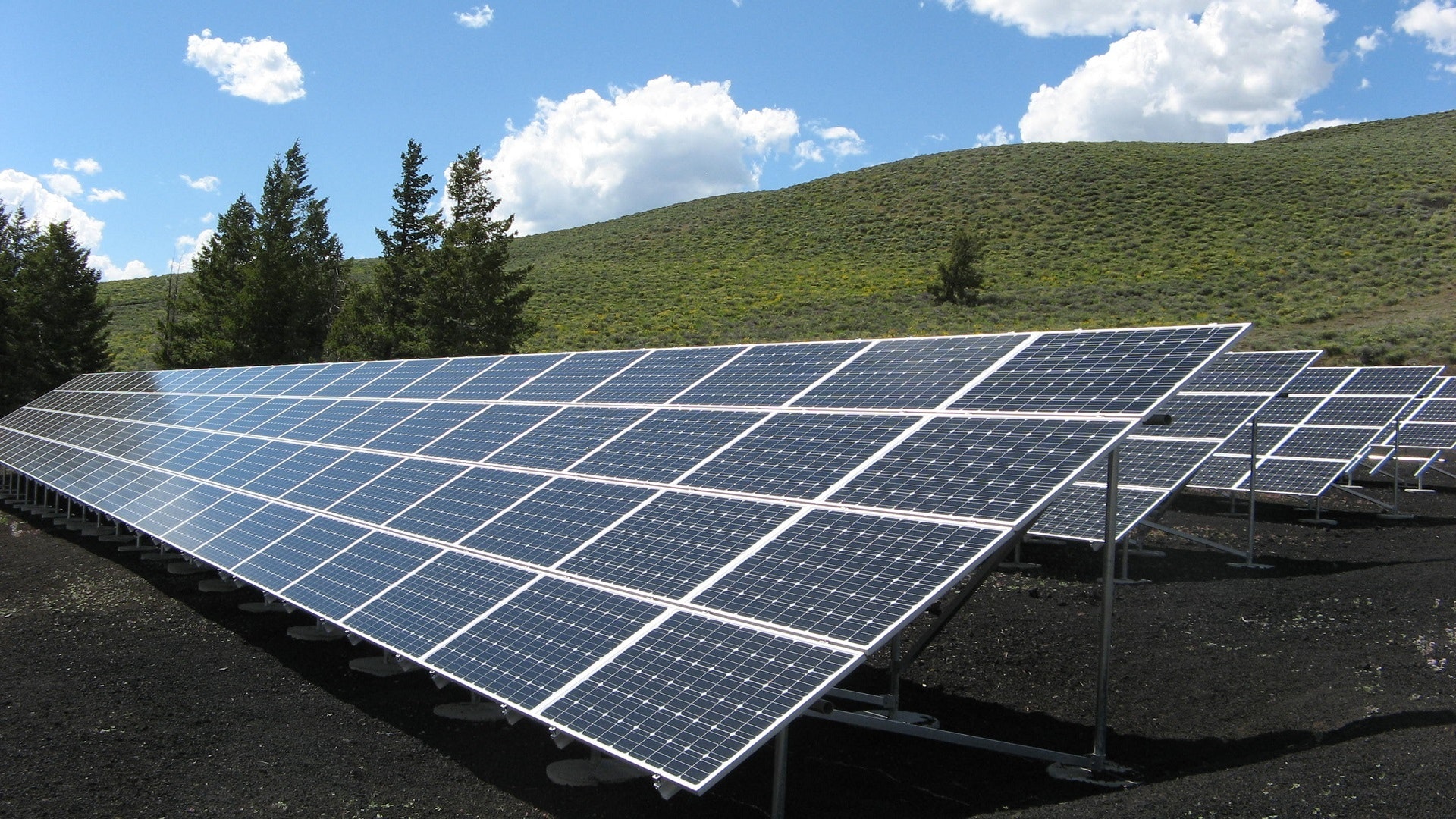
In the quest for sustainability, the cannabis industry has emerged as an unlikely candidate for the adoption of solar power solutions. The cannabis cultivation sector, driven primarily by indoor growing facilities, has historically been associated with high energy consumption and significant carbon footprints. However, as the industry matures and faces mounting pressure to reduce its environmental impact, solar power is increasingly being recognized as a game-changer in the pursuit of greener, more sustainable cannabis production.
The Energy Dilemma in Cannabis Cultivation
Indoor cannabis cultivation has gained favor among growers due to the precise control it offers over critical environmental factors like temperature, lighting, and humidity. Yet, this level of control comes at a steep energy cost. In fact, indoor cannabis facilities require up to 18 times more energy compared to outdoor cultivation methods. A startling study on the carbon footprint of indoor cannabis operations revealed that the production of just over 2 pounds of marijuana can generate approximately 10,141 pounds of carbon dioxide emissions. Annually, the cannabis industry churns out more than 16.5 million tons of carbon emissions, a significant contributor to environmental degradation.
The energy-intensive nature of the cannabis industry has not gone unnoticed. Notably, two years after Colorado’s legalization of recreational cannabis in 2012, marijuana cultivation facilities in Denver were responsible for over 2% of the city’s total electricity consumption. In response to this energy crisis, the city’s Department of Environmental Health introduced guidelines for marijuana environmental management, offering strategies to mitigate negative environmental impacts and enhance energy efficiency.
The Solar-Powered Revolution
As the cannabis industry expands with the growing wave of legalization across the United States, addressing its surging energy demands is becoming paramount. One promising solution is the integration of solar power into cannabis cultivation facilities. Solar panels, long championed for their clean and renewable energy generation, are proving to be a transformative force in the quest for sustainable cannabis production.
Reports suggest that solarizing a cannabis grow room can significantly reduce production costs while simultaneously decreasing the industry’s environmental footprint. Solar-powered facilities provide the same level of control over growing conditions as traditional indoor operations, but with a dramatically reduced reliance on conventional energy sources. Companies like Solar Therapeutics in Massachusetts are already leading the charge, considering solar roofing to supply clean energy to their cannabis extraction operations.
Illuminating the Benefits of Solar Power
The advantages of embracing solar power in the cannabis industry are multifaceted. Firstly, it enables growers to substantially lower their energy bills, resulting in increased profit margins. This financial incentive not only supports the economic sustainability of cannabis businesses but also showcases the broader benefits of transitioning to renewable energy sources.
Furthermore, solar-powered grow lights offer growers the ability to fine-tune growing conditions and optimize the potency of cannabis strains without relying on fossil fuels. This level of control allows for the production of top-quality cannabis products while minimizing the industry’s impact on the environment.
A Greener Future for Cannabis Cultivation
As the cannabis industry continues to expand, so too does its responsibility to mitigate its environmental impact. Solar power represents a beacon of hope in this journey toward sustainability, offering a practical and effective solution to the industry’s energy woes. By harnessing the sun’s abundant energy, cannabis cultivation can become not only a profitable venture but also a model of environmental responsibility, showing the world that it is possible to grow green in more ways than one.
Original Source: https://solarisrenewables.com/
EXPLORE MORE NEWS




Newsletter