
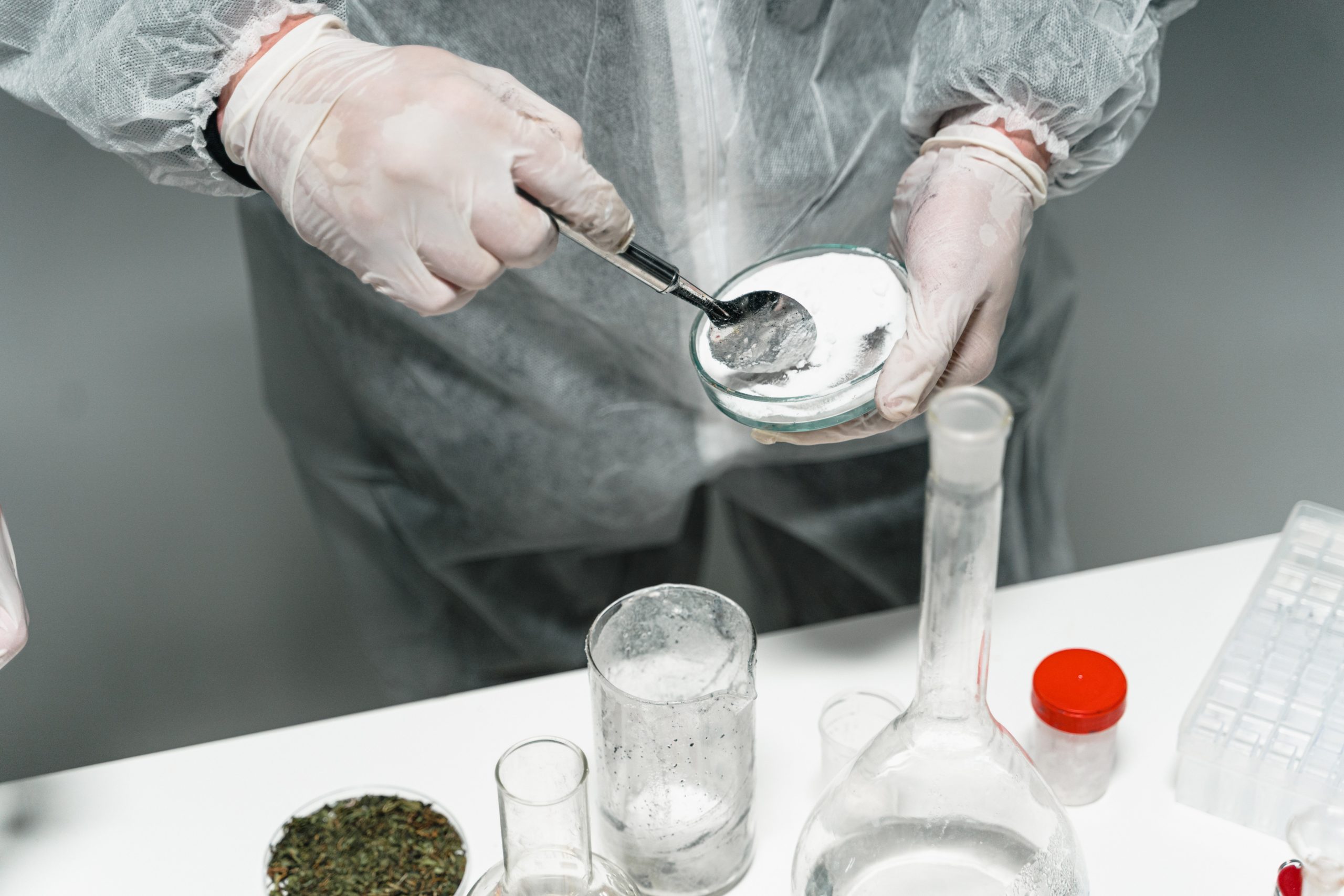
Cannabis, renowned for its medicinal benefits, is now being held to higher standards similar to other medicinal products. As the demand for cannabis continues to grow, regulations and standards are being developed by international organizations to ensure the safety and potency of cannabis products. Cannabis testing labs play a crucial role in this process, aiming to verify the safety of products for human consumption and provide consumers with information about their potency. This article explores the significance of cannabis testing, the substances tested for it, and the importance of understanding potency.
Ensuring Human Safety:
During cultivation, cannabis plants absorb various elements from their environment, including nutrients, heavy metals, and pesticides. This sponge-like quality necessitates thorough testing of cannabis products for any residual materials that may remain in the final flower. Regulatory agencies are now establishing maximum quantity limits for residual solvents, pesticides, heavy metals, microbes, and mycotoxins found in cannabis. These tests aim to protect consumers by ensuring that cannabis products are free from harmful substances.
Pesticides, fungicides, and plant growth regulators have been used in cannabis cultivation, posing potential health risks when consumed. The presence of mold and fungal contaminants is particularly concerning for individuals with asthma, allergies, or compromised immune systems. By conducting comprehensive testing, cannabis labs help safeguard the health of patients and consumers, providing them with confidence in the safety of the products they choose.
Understanding Acceptable Limits:
Similar to purchasing produce or clothing, cannabis products adhere to acceptable limits established by regulatory agencies. These limits are specified in a product’s certificate of analysis, which provides detailed lab testing results. By reviewing these certificates, consumers can verify that the cannabis they consume is free from residual solvents, microbiological contaminants, mycotoxins, heavy metals, and pesticides. This transparency empowers individuals to make informed choices about the products they select, ensuring they align with their health and safety preferences.
Evaluating Cannabis Potency:
Cannabis potency plays a significant role in determining the effects experienced by consumers. Testing cannabis allows for the analysis of its cannabinoid makeup and terpene profile, both of which directly influence the user’s experience. Environmental factors during cultivation can result in variations in cannabinoids and terpenes, even among cultivars that may appear identical. Therefore, understanding the potency and chemical composition of cannabis is essential for anticipating the effects it may produce.
To determine the chemical makeup, cannabis testing labs employ specialized equipment. For instance, THC testing machines can measure the presence of the psychoactive compound THC. By paying attention to the levels of cannabinoids and terpenes present in cannabis, individuals can better anticipate and tailor their experiences to their preferences.
Establishing a Testing Lab:
Opening a cannabis testing lab requires a comprehensive understanding of the laws and regulations pertaining to product testing and marijuana in the specific state or region. Formal accreditation within the state may be necessary to operate a lab successfully. Furthermore, it is crucial to decide whether the lab will focus on testing recreational marijuana, medical marijuana, or both.
While recreational and medical marijuana testing labs may operate in the same facility, the testing procedures employed can differ. Testing medical marijuana may place greater emphasis on the potential healing properties of terpenes, which encompass antioxidant, anti-inflammatory, and antibacterial properties, among others.
Conclusion:
Cannabis testing plays a vital role in ensuring the safety and potency of cannabis products. By subjecting these products to rigorous testing, labs help prevent the consumption of harmful substances and provide consumers with essential information for making informed decisions. Through testing, cannabis labs contribute to the overall well-being of patients and consumers, promoting a safer and more reliable cannabis market.
Source: Weedmaps
EXPLORE MORE NEWS



Newsletter