
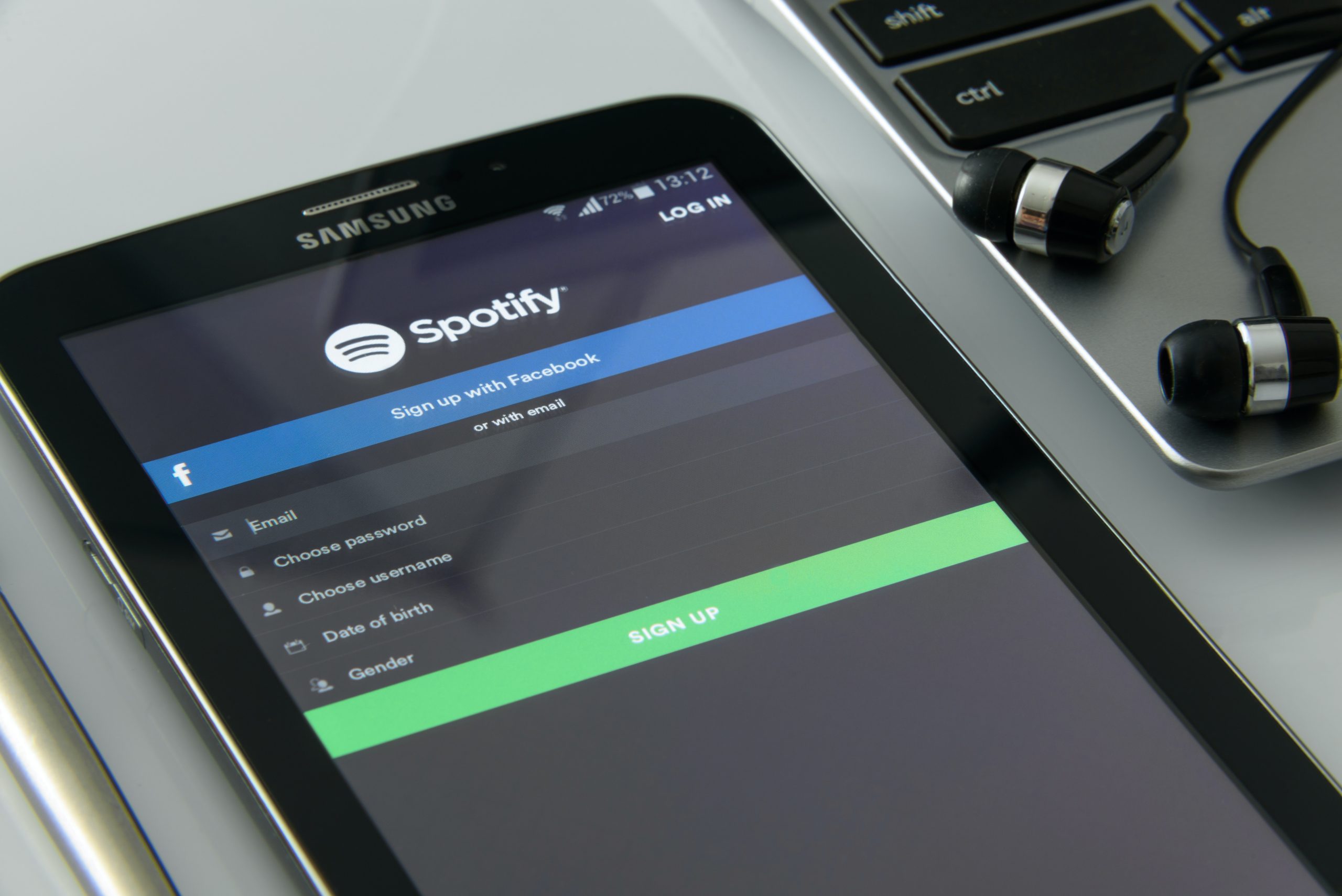
Spotify, the world’s leading music streaming service, has always been known for its bold and innovative approach. In a groundbreaking move, Spotify has become the first streaming platform to embrace cannabis advertising through its new collaboration with Cresco Labs (CRLBF).
The campaign marks a significant convergence of two influential industries: cannabis and music streaming. Spotify boasts an impressive user base of over 220 million subscribers as of the first quarter of 2023, according to Statista, making it a prime target for advertisers seeking broad reach.
Cresco Labs, headquartered in Chicago, Illinois, is the owner of the renowned Sunnyside cannabis dispensary brand. The company believes that advertising on Spotify, one of the most frequented music streaming platforms, will effectively connect with cannabis enthusiasts—an unsurprising association given the historical link between music and marijuana.
Cory Rothschild, National Retail President of Cresco Labs, expressed the company’s enthusiasm for this groundbreaking partnership: “Audio streaming services represent a major opportunity for brands to reach large audiences in a targeted manner, and we’re excited to collaborate with Spotify to launch the first-ever cannabis ads from our Sunnyside national retail brand. Our Sunnyside advertising strategy is built on a data ecosystem enabling best-in-class targeting and measurement. Spotify’s platform will enable our marketing team to target our ads compliantly and profitably to our core shoppers in Illinois where we have a leading share in retail.”
Rothschild also highlighted the broader significance of this partnership, stating, “This important partnership is not only a step in normalizing cannabis, but it also showcases the sophistication and quality of marketing that we have unlocked at Cresco Labs.”
The Cresco ad campaign is expected to center on the Sunnyside “shopping experience.” It will feature 30-second audio advertisements and in-app digital banners, primarily focusing on the company’s proprietary e-commerce platform.
Spotify has earned a reputation for being an affordable platform for advertisers, with per-ad prices starting at just $250.
In this innovative partnership, Spotify and Cresco Labs are not only pushing boundaries but also contributing to the evolving landscape of cannabis advertising, marking a significant step toward its normalization.
Source: The Street
EXPLORE MORE NEWS


Newsletter