Cannabis Unveiled: Exploring the Wellness Benefits of a Green Revolution

Cannabis Unveiled: Exploring the Wellness Benefits of a Green Revolution

Cannabis once shrouded in controversy and stigma, is experiencing a remarkable transformation in public perception and legal status. Beyond its recreational use, cannabis is increasingly being recognized for its potential health and wellness benefits. This article delves into the world of cannabis and explores the various ways it can contribute to our well-being, including pain management, stress relief, and sleep aid. We’ll also discuss the growing presence of cannabis in alternative medicine and the emerging trends within the wellness industry.

The Power of Cannabis in Pain Management:

One of the most well-known benefits of cannabis is its potential as an effective pain management tool. The plant contains numerous compounds called cannabinoids, with THC (tetrahydrocannabinol) and CBD (cannabidiol) being the most studied. These cannabinoids interact with the body’s endocannabinoid system, which plays a role in regulating pain sensation. Research suggests that cannabis-based products can alleviate chronic pain associated with conditions like arthritis, multiple sclerosis, and fibromyalgia, offering a natural alternative to traditional pain medications.

Stress Relief and Mental Health:

In our fast-paced, stress-filled lives, finding effective ways to manage stress and maintain good mental health is crucial. Cannabis is increasingly being explored as a potential solution. CBD, in particular, has gained attention for its anxiolytic properties, meaning it can help reduce anxiety and promote a sense of calm. Studies have shown that CBD can have a positive impact on conditions such as generalized anxiety disorder, social anxiety, and post-traumatic stress disorder (PTSD). With further research, cannabis-based therapies may offer a new avenue for managing stress-related conditions.

The Sleep Aid Potential:

A good night’s sleep is vital for overall well-being, yet many struggle with insomnia and other sleep disorders. Cannabis has shown promise as a sleep aid, primarily due to its relaxing properties. Some strains with higher levels of THC are known to induce drowsiness and help individuals fall asleep faster. Additionally, CBD can promote relaxation and regulate sleep-wake cycles, making it a potential remedy for those suffering from sleep disturbances. However, it’s important to note that individual responses to cannabis can vary, and consulting with a healthcare professional is recommended for personalized guidance.

Cannabis in Alternative Medicine:

As the cannabis revolution gains momentum, the integration of cannabis into alternative medicine is becoming more prevalent. Practitioners are exploring the plant’s therapeutic potential in treating a range of conditions, including chronic pain, epilepsy, and even cancer-related symptoms. Some individuals are turning to cannabis-based therapies as complementary treatments alongside conventional medicine. However, it’s essential to approach alternative medicine practices with caution and ensure proper medical supervision, as more research is still needed to fully understand the efficacy and safety of cannabis in various medical contexts.

Emerging Trends in the Wellness Industry:

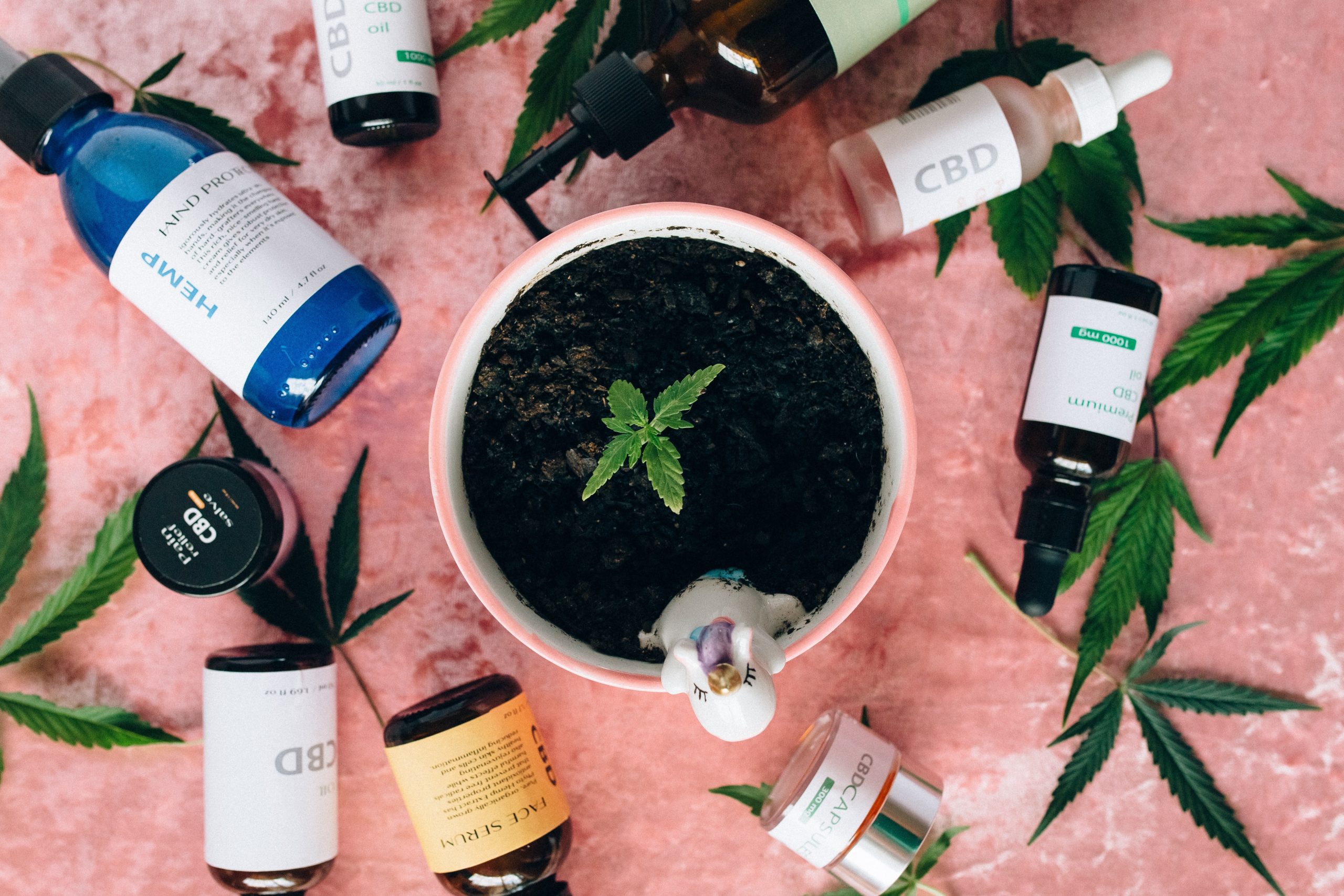
The increasing interest in cannabis for wellness has given rise to a host of new products and trends in the wellness industry. From CBD-infused skincare and beauty products to cannabis-based supplements and edibles, the market is evolving rapidly. With legalization efforts gaining ground in many regions, more companies are exploring the potential of cannabis for wellness purposes. However, it is important for consumers to prioritize quality and safety, ensuring that products are sourced from reputable sources and comply with regulatory standards.

While cannabis offers exciting possibilities, it is essential to approach its use responsibly. As with any substance, it is crucial to be informed and educated about the potential risks and benefits. Consulting with healthcare professionals who have expertise in cannabis medicine can provide valuable guidance and personalized recommendations.

Furthermore, regulations and legal frameworks surrounding cannabis vary from country to country and even within different regions. It is important to stay updated on the legal status of cannabis in your area and adhere to applicable laws and regulations.

Research and scientific studies are ongoing to further explore the therapeutic potential of cannabis. As more evidence emerges, we can expect to gain a deeper understanding of its mechanisms of action and its specific applications in different wellness contexts.

The Green Revolution

The green revolution surrounding cannabis is uncovering a wealth of wellness benefits that were once overshadowed by societal stigma. From pain management and stress relief to sleep aid and alternative medicine, cannabis is showing remarkable potential in enhancing our well-being. As the industry continues to evolve, it is crucial for researchers, healthcare professionals, and consumers to collaborate in order to gain a comprehensive understanding of cannabis’s benefits, risks, and appropriate applications. With responsible use and ongoing scientific exploration, we can harness the power of cannabis to improve our overall wellness.

EXPLORE MORE NEWS
Major Corporations Investing in Cannabis

As cannabis legalization continues to spread across the country, major corporations are increasingly taking notice and investing in the industry. In April of 2023, a major beverage company announced a $100 million investment in a cannabis-infused drink startup, signaling the growing trend of large corporations entering the cannabis space.

The Changing Landscape of Cannabis Product and Sourcing Choices

According to the latest data from New Frontier, consumer behavior regarding the purchase of cannabis products is experiencing a notable shift. The data reveals that more consumers are opting to order their cannabis products from brick and mortar dispensaries, indicating a growing preference for in-person shopping experiences. In 2022, 34% of consumers chose physical dispensaries, and this figure has risen to 43% in 2023. Additionally, there has been a slight reduction in cannabis delivery, with 18% of consumers utilizing this option in 2022, which has decreased to 15% in 2023. This trend can be attributed to a post-COVID era where individuals feel more comfortable leaving their homes and seeking out physical retail experiences. In this article, we will explore the normalization of cannabis product and sourcing choices, and how these changes are shaping the industry.

Arkansas Medical Cannabis Sales Poised for Record Year with $23.2 Million in July

The trajectory of medical cannabis sales in Arkansas continues to set new records, with transactions in the state soaring to $23.2 million in July. This robust performance propels the total sales of medical marijuana in Arkansas for the initial seven months of 2023 to an impressive $164.6 million. Remarkably, this figure surpasses the corresponding period’s sales from the previous year by a substantial margin of $7.3 million, as reported by Fayetteville TV station KNWA.

Proximity Matters: How Closeness to Cannabis Stores Drives Legal Market Sales in Canada

New research on Canada’s regulated cannabis market has shed light on consumer preferences and their impact on marijuana sales. The study, set to be published in the Journal of Studies on Alcohol and Drugs, explores the relationship between consumers’ proximity to government-regulated cannabis stores and their purchasing decisions.

Newsletter

The origins of 420 and why it continues to be a day of celebration for cannabis enthusiasts worldwide

The origins of 420 and why it continues to be a day of celebration for cannabis enthusiasts worldwide

April 20th, 4/20, or 4:20 on the clock, has become a celebrated day and time in cannabis culture. People around the world gather to enjoy cannabis products and advocate for the legalization of marijuana. But how did this date and time become so significant? 

The Origins of 420

The history and origin of 4/20 as a date synonymous with the consumption and celebration of marijuana is an interesting tale that intertwines with counterculture movements, the quest for freedom, and the power of a simple phrase. Let’s dive into the story and explore how 4/20 became a significant date in cannabis culture.

The origins of 4/20 can be traced back to the early 1970s in the United States, specifically to a group of five high school students known as the Waldos. These students attended San Rafael High School in Marin County, California. In the fall of 1971, the Waldos, Steve Capper, Dave Reddix, Jeffrey Noel, Larry Schwartz, and Mark Gravich, embarked on a treasure hunt for a rumored abandoned cannabis crop.

Legend has it that a Coast Guard service member stationed at the nearby Point Reyes Peninsula discovered a hidden marijuana cultivation site but was unable to tend to it. The Waldos received a hand-drawn map pointing to the location of the crop and decided to meet at the statue of Louis Pasteur on the school grounds at 4:20 p.m. to start their search. This time was chosen because it was the earliest they could meet after their extracurricular activities.

During their regular hangouts after school, the Waldos would use the phrase “420 Louis” as a code word to remind each other of their plan. It became their secret way of saying “let’s meet up to smoke cannabis.” Eventually, “420” alone became synonymous with cannabis consumption, and the Waldos’ code word took on a life of its own.

As the group continued their search for the hidden crop, they would often remind each other by saying “420,” and the term began to spread among their circle of friends and acquaintances. Through connections and the grapevine of underground cannabis culture, the phrase started to gain traction beyond the original group.

However, the true breakthrough for 4/20 as a cultural phenomenon came in the early 1990s when a group of cannabis enthusiasts in California known as the “Deadheads” caught wind of the term. The Deadheads were fans of the band the Grateful Dead, and they started using “420” as a rallying cry and an opportunity to gather and consume cannabis together. The band’s touring schedule often brought them to Marin County, where they would pass out flyers inviting people to meet at 4:20 p.m. on April 20th to celebrate.

With the association between the Grateful Dead and cannabis culture, the influence of the Deadheads helped spread 4/20 to a wider audience. The term began to permeate popular culture, gaining momentum through music festivals, cannabis-related publications, and the rise of the internet.

As the years went by, 4/20 became a recognized date for cannabis enthusiasts worldwide to come together and celebrate their shared passion. It grew beyond a simple code word or a treasure hunt and evolved into a symbol of unity, freedom, and the fight for cannabis legalization.

While the story of the Waldos and their treasure hunt is widely accepted as the origin of 4/20, alternative theories have emerged over time, proposing different explanations for the symbol’s origins in cannabis culture. One alternative theory proposes a link between 4/20 and police radio codes. It suggests that “420” was used by law enforcement to indicate a cannabis-related offense or to request assistance in dealing with marijuana-related incidents. It is believed that cannabis enthusiasts adopted the term as a way to celebrate and identify with their shared interest, ultimately transforming it into a cultural phenomenon.

It is worth noting that alternative theories, while intriguing, lack the same level of substantiation and widespread acceptance as the story of the Waldos. The precise origin of 4/20 may remain somewhat shrouded in mystery due to the counterculture nature of its emergence and the passage of time. Nevertheless, the influence and significance of 4/20 as a symbol of cannabis culture and celebration remain undeniably profound.

The history and origin of 4/20 demonstrate the power of a small group of friends and their shared secret code. From a high school treasure hunt to a global celebration, the journey of 4/20 showcases the influence of counterculture movements, the power of a community, and the ability of a simple phrase to become a symbol of something much greater.

Celebrating 420? Try Yes Delivery!

As 420 continues to be an important day for cannabis enthusiasts worldwide, we invite you to explore the Yes Cannabis delivery service, YesDelivery. We offer a convenient and reliable solution for celebrating any occasion, or simply having your cannabis delivered to your door while you relax at home. Operating in multiple states, YesDelivery is a trusted cannabis delivery service that provides safe and legal access to a wide range of cannabis products. With our user-friendly website and efficient order processing, customers can easily browse and select the products they desire. Our discreet and professional delivery service ensures that cannabis products arrive promptly and with the utmost care. Whether someone is celebrating 420 with friends or enjoying a quiet evening at home, YesDelivery enables them to find the perfect products for a memorable and enjoyable 420 celebration.

EXPLORE MORE NEWS

Major Corporations Investing in Cannabis

As cannabis legalization continues to spread across the country, major corporations are increasingly taking notice and investing in the industry. In April of 2023, a major beverage company announced a $100 million investment in a cannabis-infused drink startup, signaling the growing trend of large corporations entering the cannabis space.

Alabama Medical Cannabis Commission Makes Second Attempt to Grant Business Licenses

The Alabama Medical Cannabis Commission convened on Thursday for a renewed effort to allocate licenses to companies vying for participation in the state’s burgeoning medical cannabis industry.

A Guide to Opening a Cannabis Dispensary in Minnesota

On May 30, 2023 Minnesota Gov. Tim Walz signed an expansive cannabis legalization bill into law, allowing the recreational use of cannabis for adults 21 and older starting Aug. 1. The Legislature passed the bill with a handful of Republicans joining a nearly united Democratic vote in favor. Although the bill has passed, dispensaries can’t open until the state figures out a licensing system for the businesses, so they won’t open for at least another year — some estimate in early 2025. This article aims to provide a detailed guide on how to open a cannabis dispensary in Minnesota. We will explore the current cannabis market and outlook, license types, scoring criteria, application fees, and the importance of seeking professional assistance from cannabis consultants like Global Go.

New York Expands Legal Cannabis Industry and Cracks Down on Illegal Market

New York has initiated a major expansion of its legal cannabis industry by opening applications for hundreds of new marijuana business licenses. This move follows a slow start, with only about two dozen retailers operating since adult-use sales began last December. The application period will run until December 4, and licenses are expected to be awarded early next year.

Newsletter

The Art and Science of Cannabis Cultivation: Unveiling the Secrets Behind Strains

The Art and Science of Cannabis Cultivation: Unveiling the Secrets Behind Strains

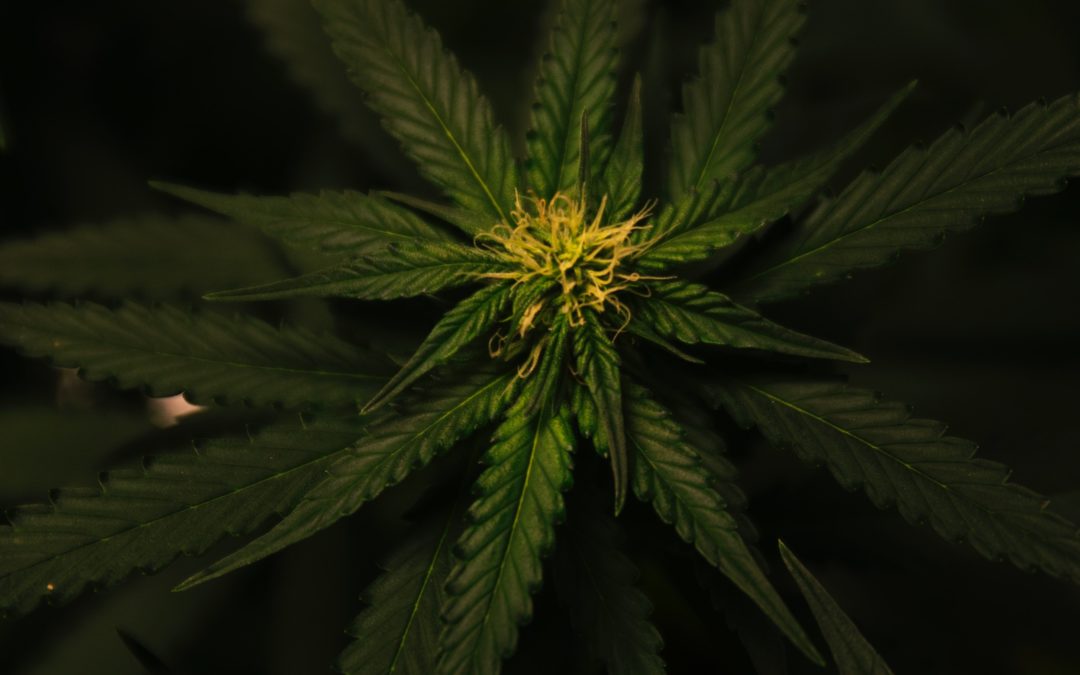
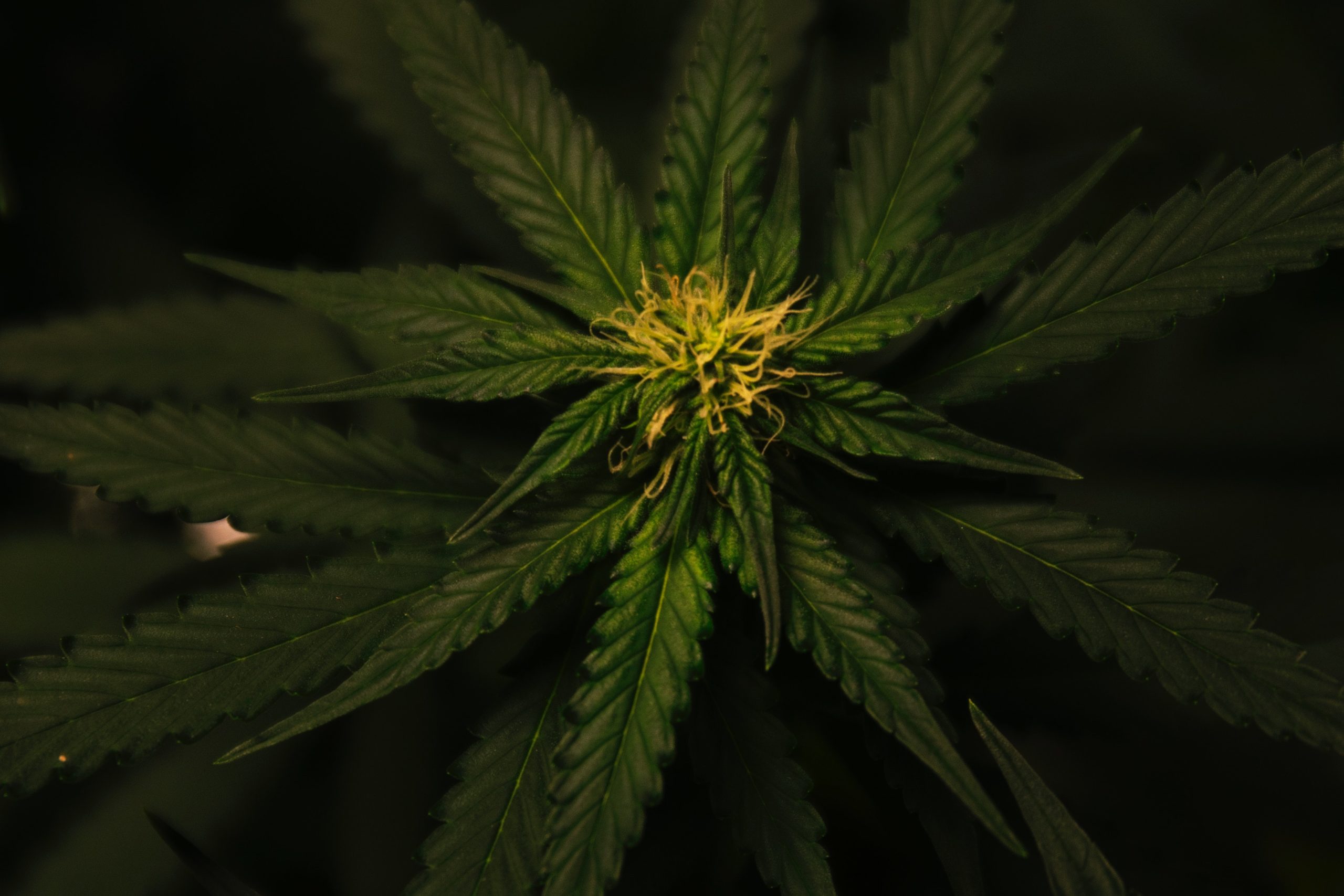
Cannabis cultivation is a captivating journey that blends artistry and scientific expertise. It is a process where cultivators meticulously select and nurture cannabis strains to produce the desired qualities, such as potency, flavor, and aroma. This article explores the intricacies of cannabis cultivation, unveiling the vast array of strains available in the market and shedding light on the craft behind their creation. It delves into both the art and science behind cannabis cultivation, highlighting the cultivation techniques used within the industry to achieve the desired outcomes.

The Art

The art of growing cannabis can be likened to the delicate process of crafting a masterpiece. Just as a skilled artist meticulously selects their canvas, brushes, and colors to bring their vision to life, cultivators carefully choose their strains, cultivation techniques, and growing conditions to cultivate cannabis plants that embody their desired effects and flavors.

The selection of strains is akin to an artist selecting their palette of colors. Cultivators consider the unique attributes and effects of each strain, much like an artist considers the different hues and tones of paint available to them. Indica strains may be likened to darker, cooler shades that evoke relaxation and tranquility, while sativa strains can be likened to brighter, vibrant tones that energize and uplift. Hybrids, like a nuanced blend of colors, offer a harmonious balance of effects, merging the best qualities of both indica and sativa strains.

Just as artists meticulously prepare their canvas and adjust their lighting to create the perfect ambiance, cultivators craft optimal growing conditions for their cannabis plants. They fine-tune factors like lighting, temperature, humidity, and nutrient balance to create an environment where the plants can thrive and express their unique characteristics. It’s similar to an artist setting up their easel, adjusting the lighting, and ensuring the right atmosphere to bring their artistic vision to life.

Cultivation techniques employed by cultivators can be compared to the artist’s brushstrokes. Through techniques like pruning, topping, and training, cultivators shape the growth and structure of the plants, much like an artist uses brushstrokes to shape the composition of their artwork. Pruning removes unnecessary foliage, just as an artist might remove extraneous details, allowing the focal points to shine. Topping and training techniques guide the plants’ growth, much like an artist’s deliberate brushstrokes create the desired form and flow in their artwork.

Furthermore, the cultivation process involves the skillful manipulation of cannabinoids and terpenes, which can be likened to an artist mixing pigments to achieve the perfect shades and hues. Cultivators select specific nutrient formulations, adjust light cycles, and time the harvest to optimize the composition and concentration of these compounds. It’s akin to an artist skillfully mixing paints, experimenting with different combinations, and layering colors to achieve the desired visual effects.

Ultimately, the art of growing cannabis is an intricate dance between scientific knowledge and artistic expression. Cultivators harness their expertise and understanding of the plant’s biology and chemistry to create the ideal conditions for growth, while also channeling their creativity and intuition to shape the final product. By blending science and artistry, cultivators create a symphony of flavors, effects, and visual appeal, much like an artist brings a masterpiece to life on their canvas.

The Science

One important aspect of cannabis cultivation is the manipulation of lighting conditions. Cultivators carefully control the light cycles during the different stages of plant growth. By adjusting the duration and intensity of light exposure, cultivators can influence various physiological processes, such as vegetative growth, flowering, and resin production. Additionally, the use of supplemental lighting, such as high-intensity discharge (HID) lamps or light-emitting diodes (LEDs), allows cultivators to create ideal light spectrums tailored to specific strain requirements.

Temperature and humidity control also play crucial roles in cannabis cultivation. Maintaining optimal temperature and humidity levels throughout the growth cycle is essential for healthy plant development and resin production. Temperature influences enzymatic activity, photosynthesis rates, and overall metabolic processes. Humidity, on the other hand, affects transpiration rates, nutrient uptake, and the susceptibility to pests and diseases. Cultivators utilize environmental control systems, including heating, ventilation, and air conditioning (HVAC), as well as dehumidifiers and humidifiers, to create stable and favorable conditions for the plants.

Nutrient management is another key aspect of cannabis cultivation. Cultivators carefully select and balance the nutrients provided to the plants. This is typically done through the use of nutrient solutions tailored to the specific needs of each growth stage. These solutions contain a precise blend of macronutrients (such as nitrogen, phosphorus, and potassium) and micronutrients (including iron, zinc, and magnesium) that are essential for healthy plant growth and resin production. By monitoring and adjusting nutrient levels, cultivators can optimize yield, flavor, and potency.

In addition to environmental factors and nutrient management, cultivators employ various plant training techniques to shape the structure of the cannabis plants and promote optimal growth. Techniques such as pruning, topping, and training involve selectively removing or bending branches to control the plant’s height, increase the number of bud sites, and improve light penetration. These techniques help maximize yield, enhance resin production, and create more uniform and manageable canopy structures.

Harvest timing is a critical consideration in cannabis cultivation. Cultivators monitor the trichome development on the flowers, as these tiny resin glands house cannabinoids and terpenes. The desired effect and flavor profile of the strain often dictate the optimal harvest window. Cultivators meticulously time the harvest to ensure the highest concentration of desired cannabinoids and terpenes, resulting in strains with distinct and desirable qualities.

Overall, cannabis cultivation techniques require a combination of scientific knowledge, technical expertise, and hands-on experience. Cultivators continuously refine their methods and experiment with new approaches to push the boundaries of strain development and enhance the diversity of cannabis products available in the market. By employing these meticulous cultivation techniques, cultivators play a vital role in shaping the characteristics and experiences that consumers seek when exploring the world of cannabis strains. The art and science of cannabis cultivation work hand in hand, showcasing the craftsmanship behind the process and offering consumers a rich variety of strains to discover and enjoy.

EXPLORE MORE NEWS

Major Corporations Investing in Cannabis

As cannabis legalization continues to spread across the country, major corporations are increasingly taking notice and investing in the industry. In April of 2023, a major beverage company announced a $100 million investment in a cannabis-infused drink startup, signaling the growing trend of large corporations entering the cannabis space.

10 Gift Ideas for Cannabis Enthusiasts

Slowly but surely, state by state, the U.S. is continuing to embrace cannabis. With the increasing number of states legalizing or decriminalizing weed, the market for innovative cannabis products is growing rapidly. Need a great gift idea? Why not upgrade the experience for your cannabis-friendly friends with some high-tech gifts designed specifically for cannabis users? From consumption devices to storage containers, here are nine cutting-edge gift ideas from startups and established companies that are making a mark in this booming industry.

Missouri Division of Cannabis Regulation Initiates Recall of 62,000 Cannabis Products: An In-Depth Look at the Delta Extraction Case and Industry Lessons

The Missouri Division of Cannabis Regulation (DCR) has recently taken a significant step in the cannabis industry by issuing a recall of more than 62,000 cannabis products manufactured by Delta Extraction, LLC. The reason behind this recall lies in the fact that these products were not being compliantly tracked in the statewide track and trace system known as METRC. This failure to adhere to tracking protocols created a situation where the DCR could not verify the origins of these products – whether they were sourced from marijuana cultivated within Missouri and had undergone the necessary testing procedures.

The Cannabis Boom: How America’s Love for the Plant is Reshaping Markets

Cannabis once shrouded in controversy and legal restrictions, has now firmly entrenched itself in the mainstream American consumer landscape. The plant that was once relegated to underground markets is now a thriving industry, with Americans showing an insatiable appetite for legal cannabis products. According to a recent comprehensive report from MJBizDaily, a prominent cannabis industry publication, Americans spent a staggering $30 billion on legal cannabis products in 2022 alone. This astronomical figure not only reflects the plant’s widespread acceptance but also surpasses the combined sales of beloved staples like chocolate and craft beer, which amounted to $20 billion and $7.9 billion, respectively.

Newsletter

Rethinking Cannabis Potency

Rethinking Cannabis Potency

U.S. Cannabis Sales Could Total $71B in 2030 Without Federal Legalization

According to the recently released 2023 U.S. Cannabis Report by New Frontier Data, if the pace of state-level legalization continues without federal policy reform, the annual sales of cannabis will more than double in the next seven years. The report, sponsored by Cannacare Docs, provides insights into current and projected sales, consumers, supply, and prices for both adult-use and medical cannabis in the United States.


Gary Allen, the CEO of New Frontier Data, stated that “the U.S. cannabis industry will be buoyed by new markets coming online” as more established markets stabilize across the country. The report indicates that legal cannabis sales in the U.S. reached $30 billion in 2022 and are projected to exceed $35 billion in 2023. Moreover, the report predicts that legal cannabis sales will reach $71 billion by 2030 if the pace of state-level legalization continues in the absence of federal policy reform, while it would still reach $58 billion if the pace stagnates. Additionally, the report estimates that around 54 million U.S. adults will consume cannabis in 2023 across both legal and unregulated markets, which will grow to 69 million by 2030.

The report also reveals that the total number of registered medical cannabis patients surpassed 4.5 million in 2022, and it is expected to increase to 5.2 million by 2030. The average U.S. consumer price per ounce of flower has declined 10% since 2010, dropping from $325.46 to $294.15. However, inflation, high taxes, and competing illicit markets are compounding price pressures in mature legal markets. Moreover, a potential recession could negatively impact cannabis consumer spending in the medium term. Despite these challenges, the report states that they will have little effect on the surging demand for legal cannabis and the broader transition of consumers into legal markets.

Link to California Info

California

For those interested in learning more about the report, a complimentary copy of the 2023 U.S. Cannabis Report: Market Updates & Projections can be downloaded from the New Frontier Data website. New Frontier Data is a data, analytics, and technology firm specializing in the global cannabis industry. Its mission is to inform policy and commercial activity for the global legal cannabis industry. The company maintains a neutral position on the merits of cannabis legalization and delivers solutions that enable investors, operators, advertisers, brands, researchers, and policymakers to assess, understand, engage, and transact with the cannabis industry and its consumers. New Frontier Data was founded in 2014 and is headquartered in Washington, D.C., with a presence in Europe, Latin America, and Africa.

Original Source: New Frontier Data

Date Published: April 4, 2023

EXPLORE MORE NEWS

Major Corporations Investing in Cannabis

As cannabis legalization continues to spread across the country, major corporations are increasingly taking notice and investing in the industry. In April of 2023, a major beverage company announced a $100 million investment in a cannabis-infused drink startup, signaling the growing trend of large corporations entering the cannabis space.

Blue Dream’s Two Decades of Influence: Unraveling the Origins and Impact

From Haze to Skunk, OG to Cookies, the cannabis market has been shaped by remarkable strains that encapsulate their respective eras. Among them, Blue Dream emerged as a defining cultivar around 2003, reigning until approximately 2011 when shifting market preferences opened the door for a new strain to take the spotlight. As we commemorate two decades of Blue Dream’s legacy, it’s intriguing to note that despite its celebrated status as the “most popular strain on the planet” at one point, there remains a surprising shroud of uncertainty surrounding its true origins and characteristics.

The Cannabis Boom: How America’s Love for the Plant is Reshaping Markets

Cannabis once shrouded in controversy and legal restrictions, has now firmly entrenched itself in the mainstream American consumer landscape. The plant that was once relegated to underground markets is now a thriving industry, with Americans showing an insatiable appetite for legal cannabis products. According to a recent comprehensive report from MJBizDaily, a prominent cannabis industry publication, Americans spent a staggering $30 billion on legal cannabis products in 2022 alone. This astronomical figure not only reflects the plant’s widespread acceptance but also surpasses the combined sales of beloved staples like chocolate and craft beer, which amounted to $20 billion and $7.9 billion, respectively.

Minnesota Becomes 23rd State to Legalize Adult-Use Marijuana, Including Delta-8 THC

Minnesota recently joined the ranks of states that have legalized adult-use marijuana, making it the 23rd state in the U.S. to do so. Governor Tim Walz signed a groundbreaking legalization bill into law on Tuesday, which not only allows the use of marijuana but also permits the sale of hemp-derived cannabinoids like delta-8 THC. This article explores the significance of Minnesota’s unique approach to legalization, the implementation timeline, and the state’s progressive stance on hemp-derived products.

Newsletter

Navigating the Evolving Regulatory Landscape: Key Considerations for Multi-State Expansion

Navigating the Evolving Regulatory Landscape: Key Considerations for Multi-State Expansion

Introduction:

As the cannabis industry continues to flourish and expand across multiple states, it is crucial for cannabis business owners and aspiring entrepreneurs to navigate the ever-changing regulatory landscape. In this blog post, we will explore the key considerations for successfully expanding a cannabis business across different states, ensuring compliance, and capitalizing on growth opportunities.

Understanding State and Federal Regulations: Expanding a cannabis business into multiple states requires a comprehensive understanding of the regulatory frameworks in each jurisdiction. While each state has its own set of regulations, it is also essential to be aware of federal laws and any potential changes that may impact the industry. For instance, understanding the variations in licensing requirements, product restrictions, and packaging regulations can help businesses ensure compliance while scaling operations in different states.

Real-world example: In Colorado, cannabis businesses are required to follow specific labeling and packaging guidelines to ensure consumer safety, while California imposes strict testing requirements to maintain product quality. By understanding these state-specific regulations, businesses can tailor their operations to meet compliance standards in each location.

Identifying Opportunities for Growth: Expanding a cannabis business across multiple states presents unique opportunities for growth and diversification. It is crucial to stay updated on the latest market trends, emerging sectors, and consumer preferences in each state. Identifying these opportunities can help businesses optimize their product offerings and strategies to cater to different markets.

Real-world example: Some states are experiencing a surge in demand for cannabis-infused beverages, while others may have a strong market for medicinal cannabis products. By conducting market research and understanding the preferences of consumers in different states, businesses can align their expansion plans with the specific demands of each market.

Strategic Partnerships and Collaboration: Building strategic partnerships and collaborations can be instrumental in the successful expansion of a multi-state cannabis business. This can involve forming alliances with other cannabis businesses, partnering with local industry associations, or collaborating with research institutions. Such partnerships can provide access to valuable resources, expertise, and networks, enabling businesses to navigate the unique challenges and regulations in each state more effectively.

Real-world example: A cannabis business expanding from California to Nevada may seek partnerships with local dispensaries to gain insights into consumer preferences and distribution channels. Collaborating with research institutions can also help businesses gain credibility and access to scientific expertise for product development and testing.

Accessing Capital and Investment Opportunities: Expanding a cannabis business across multiple states often requires significant capital investment. Understanding the different funding options available, such as venture capital, private equity, or strategic partnerships, is crucial for securing financial resources. Exploring investment opportunities specific to the cannabis industry can provide businesses with the necessary funds to support their expansion plans.

Real-world example: Many multi-state cannabis operators secure funding through partnerships with private equity firms specializing in the cannabis industry. These firms not only provide capital but also offer strategic guidance and industry expertise to support the growth of cannabis businesses across different states.

Nurturing a Strong Compliance Culture: Compliance is paramount in the cannabis industry, especially when operating across multiple states with varying regulations. Nurturing a strong compliance culture within the organization is essential to mitigate risks and maintain a positive reputation. This involves implementing robust compliance procedures, training employees on state-specific regulations, and staying up-to-date with any changes or updates to ensure consistent adherence to compliance standards.

Real-world example: Companies like YES Cannabis have successfully expanded their operations to multiple states and helped others do the same by prioritizing compliance. We have implemented comprehensive compliance programs, including standardized operating procedures to ensure consistency and regulatory compliance across their cultivation, manufacturing, and retail operations.

CONCLUSION:

Expanding a cannabis business into an MSO (multi-state operation) requires a deep understanding of the regulatory landscape, identification of growth opportunities, strategic partnerships, access to capital, and a strong compliance culture. By considering these key factors and leveraging partnerships, cannabis entrepreneurs can navigate the complexities of multi-state expansion and position their businesses for success in the rapidly evolving cannabis industry. Remember, adaptability and a commitment to compliance are crucial to thrive in the multi-state cannabis market.

EXPLORE MORE NEWS

Major Corporations Investing in Cannabis

As cannabis legalization continues to spread across the country, major corporations are increasingly taking notice and investing in the industry. In April of 2023, a major beverage company announced a $100 million investment in a cannabis-infused drink startup, signaling the growing trend of large corporations entering the cannabis space.

Despite recent challenges, the California Cannabis GDP could still support a small island nation.

California’s marijuana industry continues to dominate as the world’s largest cannabis market, despite facing financial and tax challenges. According to the recently published MJBiz Factbook, the state is estimated to generate nearly $5.9 billion in legal recreational and medical marijuana sales in 2023. To put this into perspective, the revenue from marijuana sales in California could support the economy of a small island nation.

New Jersey Cannabis Regulators Propose New Permits to Facilitate Research Partnerships with Dispensaries

New Jersey’s cannabis regulatory authorities are currently open to public feedback regarding an innovative proposal aimed at introducing a novel permit. This permit would enable “clinically focused” dispensaries to collaborate with research institutions, facilitating comprehensive studies on cannabis using the products they cultivate and sell to patients.

Maryland’s First Week of Adult-Use Cannabis Sales Exceeds $20 Million, Fueling Optimism for the Industry’s Growth

In the inaugural week of adult-use sales in Maryland, the combined sales of medical and recreational cannabis products by marijuana retailers reached nearly $21 million. This landmark moment in Maryland’s cannabis industry is the result of a significant historical development—the legalization of recreational cannabis in the state.

Newsletter