Georgia Approves Independent Pharmacies to Sell Cannabis Oil, Expanding Access to Medical Treatment
Georgia Approves Independent Pharmacies to Sell Cannabis Oil, Expanding Access to Medical Treatment

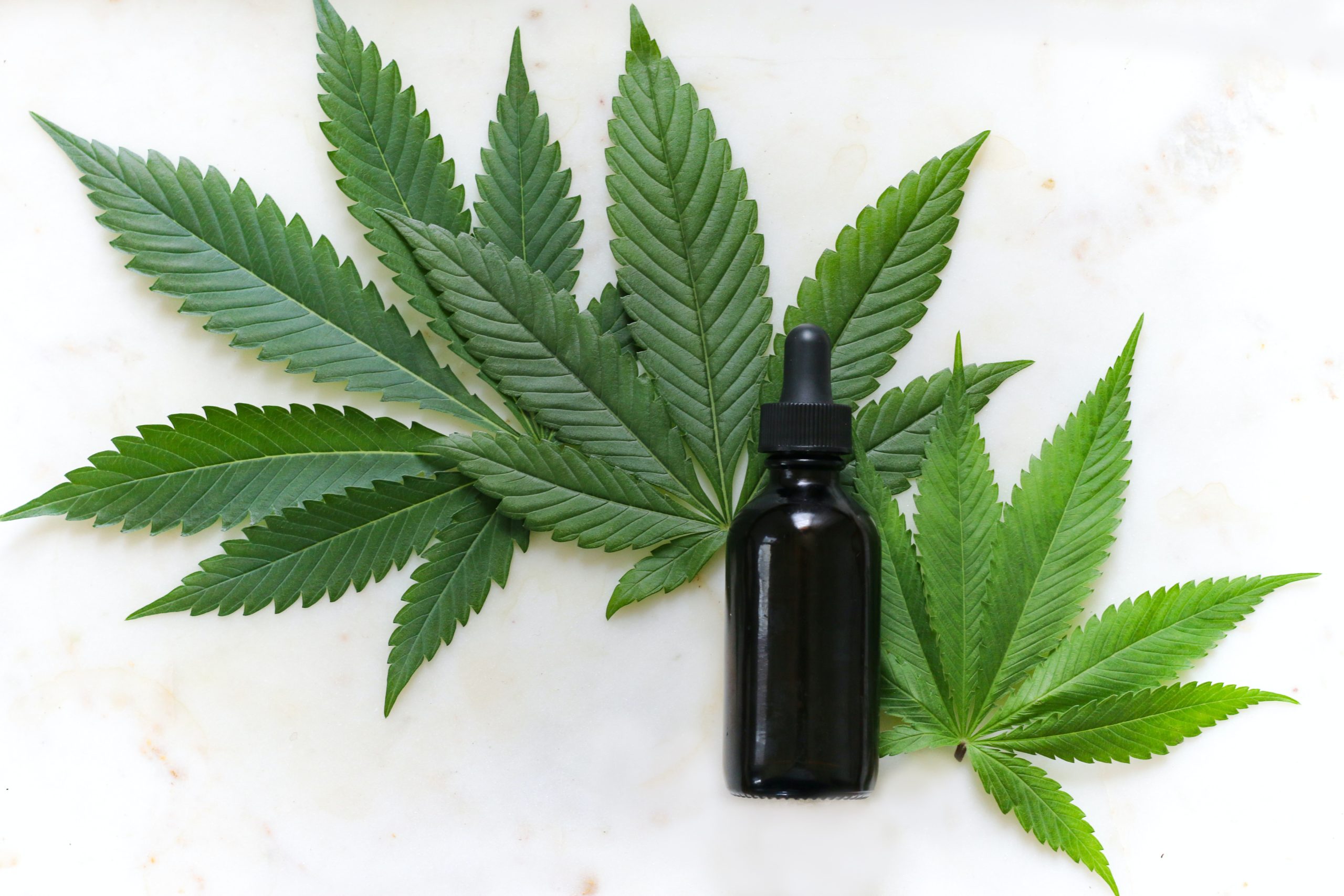
Georgia’s regulatory authorities have taken a significant step towards improving access to medical cannabis treatment for patients in the state. The state Board of Pharmacy has recently introduced a set of regulations that will allow independent pharmacies in Georgia to dispense cannabis oil to eligible patients enrolled in the state Department of Public Health’s registry, as reported by Northwest Georgia News.

Two companies, Trulieve Georgia and Botanical Sciences LLC, have already obtained manufacturing licenses and have commenced production of cannabis oil. They have also opened dispensaries in Marietta and Macon, with plans for additional locations in the future. Apart from these dispensaries, the 2019 legislation also authorizes independent pharmacies to sell cannabis oil to eligible patients.

Andrew Turnage, the executive director of the Georgia Access to Medical Cannabis Commission, expressed his optimism about the development, stating, “This gives an opportunity for virtually every community to have access.” He also highlighted the importance of the regulations that subject these pharmacies to inspection and regulation for the safe distribution of medical cannabis.

The legalization of medical cannabis treatment in Georgia began with the passage of the Haleigh’s Hope Act in 2015, which provided access to low-THC cannabis oil for eligible patients. Subsequently, in 2019, the state General Assembly introduced “Georgia’s Hope Act,” which empowered the Georgia Access to Medical Cannabis Commission to oversee the regulated licensing of limited, in-state cultivation, production, manufacturing, and sale of low-THC oil. The commission is responsible for dispensing the oil to registered patients listed on the state’s Low-THC Oil Registry, according to the official website of the Access to Medical Cannabis Commission.

Upon signing the bill into law, Governor Brian Kemp administratively attached the commission for budget, procurement, and human resources support to the Office of the Georgia Secretary of State, as outlined on the government website.

Patients suffering from various conditions are eligible for cannabis oil prescriptions in Georgia. These include end-stage cancer or cancer treatment-related wasting illness and nausea, severe or end-stage amyotrophic lateral sclerosis, seizure disorders related to epilepsy or trauma-related head injuries, severe or end-stage multiple sclerosis, Crohn’s disease, mitochondrial disease, severe or end-stage Parkinson’s disease, severe sickle cell disease, severe Tourette’s syndrome, severe autism spectrum disorder for patients 18 years or older or diagnosed with severe autism for patients under 18 years old, epidermolysis bullosa, severe or end-stage Alzheimer’s disease, severe or end-stage AIDS, severe or end-stage peripheral neuropathy, patients in hospice programs, intractable pain, and post-traumatic stress disorder resulting from direct exposure to or witnessing of a trauma for patients 18 years or older.

Despite the legalization, eligible patients in Georgia faced challenges in accessing cannabis oil until earlier this year when the first two medical cannabis dispensaries opened. Trulieve, a leading medical cannabis company, operates these dispensaries located in Macon and Marietta.

Trulieve CEO Kim Rivers expressed their commitment to improving lives through medical cannabis access, stating, “We believe that access to medical cannabis improves lives, and Trulieve is proud to be the first to provide that access to the state of Georgia.” They are dedicated to delivering high-quality products and an exceptional experience to patients in need.

In conclusion, Georgia’s decision to allow independent pharmacies to dispense cannabis oil to eligible patients enrolled in the state’s registry marks a significant milestone in improving access to medical cannabis treatment. With manufacturing licenses granted and dispensaries already in operation, patients now have more options for obtaining the medical relief they require. This step is a testament to the state’s commitment to the well-being of its citizens and the continuous progress of the medical cannabis program in Georgia.

EXPLORE MORE NEWS
Major Corporations Investing in Cannabis

As cannabis legalization continues to spread across the country, major corporations are increasingly taking notice and investing in the industry. In April of 2023, a major beverage company announced a $100 million investment in a cannabis-infused drink startup, signaling the growing trend of large corporations entering the cannabis space.

Proposed Legislation Aims to Address Cannabis Taxation Issues in California

Under the Adult Use of Marijuana Act, the cannabis excise tax in California is currently set at 15% of gross receipts from licensed retail cannabis sales. In addition to this state-level tax, many local governments impose their own additional taxes on cannabis, with some jurisdictions, including Los Angeles, charging as high as 10%.

Market Research Reveals High Brand Potential for Hooga Gummies

Market research is an essential tool for gauging the potential of a brand in any new marketplace. Few brands in the cannabis industry have the wherewithal to conduct market research on emerging products, some due to experience, some due to the availability / access to reach consumers, others may not see its utility in their launch plan.

Exploring Cannabis Consumer Archetypes in America: Trends and Insights for 2023

New Frontier Data presents the 2023 archetypes of cannabis consumers in America. The report highlights nine consumer archetypes based on the latest consumer survey data. The first archetype is Savvy Connoisseurs, comprising 13% of consumers. They are heavy cannabis users who consume it multiple times a day for various medical and recreational purposes. They obtain cannabis from both legal sources like dispensaries and informal channels such as friends or illicit dealers. Savvy Connoisseurs are the highest spenders and often purchase cannabis weekly.

Newsletter

New York Regulators Grant First Adult-Use Cannabis Retail Licenses in Finger Lakes Region

New York Regulators Grant First Adult-Use Cannabis Retail Licenses in Finger Lakes Region

In a historic move, regulators in New York have granted approval for the issuance of adult-use marijuana retail licenses, signaling a major breakthrough for the cannabis industry in the Finger Lakes region. This decision comes after years of advocacy and debate surrounding the legalization of marijuana. The state’s Cannabis Control Board recently announced the allocation of 36 new licenses throughout New York, including seven in the Finger Lakes area. However, the exact timeline for these license holders to commence operations remains uncertain, creating some uncertainty within the industry.

With this recent development, the total number of adult-use retail licenses issued in the state has reached an impressive 251, as reported by the Office of Cannabis Management. However, the rollout of these licenses has been slow, with only 14 recreational stores currently open, predominantly located in New York City. This delayed progress has hindered the industry’s ability to reach its full potential and has left many entrepreneurs and consumers eager for more rapid expansion.

It is worth noting that the Finger Lakes region, situated between Rochester and Syracuse and characterized by its stunning rural landscapes, had been excluded from participating in the cannabis market until May 30. This exclusion was the result of a significant legal battle. An out-of-state company filed lawsuits against both New York and California regulators, arguing that favoring local residents in licensing decisions was unconstitutional. However, the Office of Cannabis Management recently resolved this lawsuit, leading to the issuance of permits in the Finger Lakes area. As part of the settlement, Variscite NY One, owned by Michigan resident Kenneth Gay and the plaintiff in the lawsuit, will also be granted a license.

Among the 14 licensed retailers in New York, one noteworthy store is Flynnstoned, which recently celebrated its grand opening in Syracuse. According to Syracuse.com’s NY Cannabis Insider, Flynnstoned spans an impressive three stories and covers 13,000 square feet of floor space, making it the largest cannabis retail establishment in the entire state.

Apart from the social and cultural impacts of this development, there are also significant economic advantages associated with marijuana sales. The legalization and regulation of the cannabis industry provide states with new revenue streams and job opportunities. Several states that have already legalized adult-use marijuana, such as Colorado and Washington, have experienced substantial economic growth. Tax revenue generated from marijuana sales can be directed towards education, public health initiatives, and infrastructure development. Additionally, the cannabis industry creates jobs across various sectors, including cultivation, retail, manufacturing, and ancillary services, contributing to local and state economies.

While New York’s adult-use marijuana industry has faced challenges and delays, the recent granting of licenses in the Finger Lakes region represents a significant step forward. It opens up new opportunities for entrepreneurs and consumers alike, fostering growth and economic development in previously untapped areas. As the industry continues to evolve, it is expected that more retailers will emerge, diversifying the market and meeting the demands of cannabis enthusiasts across the state.

However, it is crucial to address the concerns surrounding equitable access and opportunities for individuals in other regions. The concentration of retail stores in New York City and the slow rollout of licenses can create disparities, particularly in rural communities and smaller towns. To ensure a fair distribution of licenses and promote inclusivity, a more expedited and inclusive licensing process may be necessary.

Moreover, responsible regulation is vital as the industry expands. Implementing robust regulatory frameworks and oversight measures can help maintain public health and safety. States should learn from the experiences of others that have legalized marijuana and strike a balance between economic growth and the well-being of their communities.

The approval of adult-use marijuana retail licenses in the Finger Lakes region is a groundbreaking development for New York’s cannabis industry. It reflects a long history of discussions and debates surrounding marijuana legalization. While challenges remain, the progress made so far opens up new possibilities for economic growth and diversification.

EXPLORE MORE NEWS

Major Corporations Investing in Cannabis

As cannabis legalization continues to spread across the country, major corporations are increasingly taking notice and investing in the industry. In April of 2023, a major beverage company announced a $100 million investment in a cannabis-infused drink startup, signaling the growing trend of large corporations entering the cannabis space.

Revolutionary Shift: US Health Department Proposes Reclassifying Marijuana from Schedule I to Schedule III

In a groundbreaking move that has the potential to reshape the landscape of cannabis regulations, the U.S. Department of Health and Human Services (HHS) has taken a bold step by formally recommending the reclassification of marijuana from Schedule I to Schedule III under federal law. This historic decision signifies a seismic shift in perspective, indicating that the nation’s premier health agency no longer views cannabis as a substance with high abuse potential and zero medical value.

Growing Acceptance and Concerns: Cannabis Usage Trends in the US

In a recent survey, half of Americans indicated that they have experimented with marijuana, sparking concerns about the implications of the rapid legalization of cannabis across the country. The findings highlight a potential increase in usage, particularly among young adults.

A Guide to Opening a Cannabis Dispensary in Minnesota

On May 30, 2023 Minnesota Gov. Tim Walz signed an expansive cannabis legalization bill into law, allowing the recreational use of cannabis for adults 21 and older starting Aug. 1. The Legislature passed the bill with a handful of Republicans joining a nearly united Democratic vote in favor. Although the bill has passed, dispensaries can’t open until the state figures out a licensing system for the businesses, so they won’t open for at least another year — some estimate in early 2025. This article aims to provide a detailed guide on how to open a cannabis dispensary in Minnesota. We will explore the current cannabis market and outlook, license types, scoring criteria, application fees, and the importance of seeking professional assistance from cannabis consultants like Global Go.

Newsletter

U.S. Cannabis Sales Could Total $71B in 2030 Without Federal Legalization

U.S. Cannabis Sales Could Total $71B in 2030 Without Federal Legalization

The recently released 2023 U.S. Cannabis Report by New Frontier Data has shed light on the remarkable growth potential of the cannabis industry in the United States. With state-level legalization gaining momentum and the absence of federal policy reform, the report predicts a substantial increase in annual cannabis sales over the next seven years.

The CEO of New Frontier Data, Gary Allen, highlights the positive impact of new markets coming online, which will provide a significant boost to the U.S. cannabis industry. As more established markets stabilize across the country, the industry is poised for continued growth. In 2022, legal cannabis sales in the U.S. reached an impressive $30 billion, and this figure is projected to exceed $35 billion in 2023 alone.

Looking ahead, the report paints an optimistic picture of the future. If the current pace of state-level legalization continues without federal policy reform, legal cannabis sales are expected to reach a staggering $71 billion by 2030. Even in the scenario where the pace of legalization stagnates, the industry is still projected to reach $58 billion by the same year. These figures highlight the substantial economic potential of the cannabis market and its capacity to become a significant contributor to the overall economy.

One of the key indicators of the expanding cannabis market is the estimated number of consumers. The report predicts that approximately 54 million U.S. adults will consume cannabis in 2023, taking into account both legal and unregulated markets. This number is anticipated to grow to 69 million by 2030, reflecting the increasing acceptance and normalization of cannabis consumption among the general population.

Furthermore, the report delves into the medical cannabis sector, revealing that the total number of registered medical cannabis patients exceeded 4.5 million in 2022. This number is expected to rise to 5.2 million by 2030, indicating a steady upward trend in the utilization of cannabis for medicinal purposes. As more individuals become aware of the potential therapeutic benefits of cannabis, the demand for medical cannabis is likely to continue its upward trajectory.

While the report paints a promising future for the cannabis industry, it also acknowledges some challenges that need to be addressed. One such challenge is the decline in the average consumer price per ounce of flower, which has decreased by 10% since 2010, from $325.46 to $294.15. While this may initially seem favorable for consumers, factors such as inflation, high taxes, and competition from illicit markets are exerting pressure on prices, particularly in mature legal markets. Additionally, the potential impact of a recession on cannabis consumer spending in the medium term is a concern that should be taken into account.

However, despite these challenges, the report maintains that they are unlikely to hamper the surging demand for legal cannabis and the broader transition of consumers into regulated markets. The overall trend toward legalization and acceptance of cannabis is expected to outweigh any temporary setbacks and market pressures.

For those interested in delving deeper into the details and insights of the report, New Frontier Data offers a complimentary copy of the 2023 U.S. Cannabis Report: Market Updates & Projections through their website. New Frontier Data, as a data, analytics, and technology firm specializing in the global cannabis industry, is committed to informing policy and commercial activity within the legal cannabis sector. The company maintains a neutral position on the merits of cannabis legalization and provides solutions that enable various stakeholders to assess, understand, engage, and transact within the cannabis industry and its consumer base.

Since its establishment in 2014, New Frontier Data has become a leading authority in the cannabis industry, offering valuable insights and data-driven analysis to investors, operators, advertisers, brands, researchers, and policymakers. With its headquarters in Washington, D.C., and a presence in Europe, Latin America, and Africa, the company is well-positioned to navigate the evolving landscape of the global cannabis market.

Reports like the 2023 U.S. Cannabis Report by New Frontier Data play a crucial role in guiding the decisions and strategies of stakeholders within the cannabis industry. As the industry continues to evolve, these insights provide valuable information to policymakers, investors, and businesses, helping them make informed choices that will shape the future of the cannabis market.

EXPLORE MORE NEWS

Major Corporations Investing in Cannabis

As cannabis legalization continues to spread across the country, major corporations are increasingly taking notice and investing in the industry. In April of 2023, a major beverage company announced a $100 million investment in a cannabis-infused drink startup, signaling the growing trend of large corporations entering the cannabis space.

Navigating the Path to Stability: Receivership as an Alternative to Bankruptcy for Struggling Cannabis Businesses

As the cannabis industry continues to experience rapid growth and profit potential, businesses operating within this space face unique challenges and complexities. Financial distress may strike even the most promising cannabis enterprises, leaving them searching for viable solutions beyond traditional bankruptcy protection. In such cases, receivership emerges as an equitable remedy—a legal process that empowers a court-appointed receiver to take control of a distressed business. In this article, we will delve into what receivership entails and explore its significance as an alternative to bankruptcy for struggling cannabis companies.

Cannabis Industry Insights: Navigating Legalization, Market Growth, and Emerging Trends

Setting the stage, it’s important to note that 24 U.S. states have legalized both Adult-Use and Medical-Use cannabis, 16 states have sanctioned Medical-Use exclusively, and 11 states maintain no legal cannabis market whatsoever. This translates to nearly 75% of Americans, roughly 250 million individuals, residing in states with varying degrees of access to high-THC legal cannabis. According to New Frontier Data’s analysis, the U.S. cannabis market’s legal sales were estimated at approximately $30 billion in 2022, and projections indicate they are poised to surpass $35 billion in 2023.

Elevating Cannabis Brands: The Path to Luxury Through Sensory Science and Consumer-Accessible Branding

Cannabis brands are currently at a crossroads, faced with a critical decision: whether to steer their product towards becoming a luxury consumable or an affordable agricultural commodity. While the trajectory of the cannabis market seems destined to evolve into a luxury goods industry, akin to wine and spirits, the foundations of such luxury brands in other markets were built over years of engagement between consumers, connoisseurs, and producers. To successfully market cannabis products as luxury items, a concerted effort towards well-defined, consumer-accessible branding is required.

Newsletter

Alabama Medical Cannabis Commission Grants Licenses to 21 Companies

Alabama Medical Cannabis Commission Grants Licenses to 21 Companies

Introduction:

In a significant step toward the implementation of Alabama’s medical cannabis program, the Alabama Medical Cannabis Commission has awarded licenses to 21 companies. This groundbreaking development marks a significant milestone in the state’s efforts to provide access to medical cannabis for eligible patients. The diverse array of licensed companies is expected to contribute to the availability and variety of medical cannabis products throughout Alabama.

After years of intense debate and discussions surrounding the potential benefits of medical marijuana, the decision to grant licenses reflects a shift in Alabama’s perspective on cannabis. The state now recognizes the therapeutic properties of marijuana and the importance of offering accessible treatment options to those in need. With these licenses, the 21 chosen companies will have the opportunity to cultivate, process, and distribute medical cannabis products, ensuring that patients can legally and safely access the medicine they require.

This landmark decision brings hope to countless individuals who have been eagerly awaiting the legalization of medical marijuana in Alabama. It opens up new possibilities for improved healthcare and enhanced quality of life for patients suffering from chronic pain, epilepsy, and other debilitating conditions. By joining other states that have embraced the potential benefits of cannabis, Alabama takes a significant step forward in providing comprehensive medical marijuana programs for its citizens. The licensed companies will play a crucial role in meeting the growing demand for medical cannabis and ensuring that patients receive the care they need.

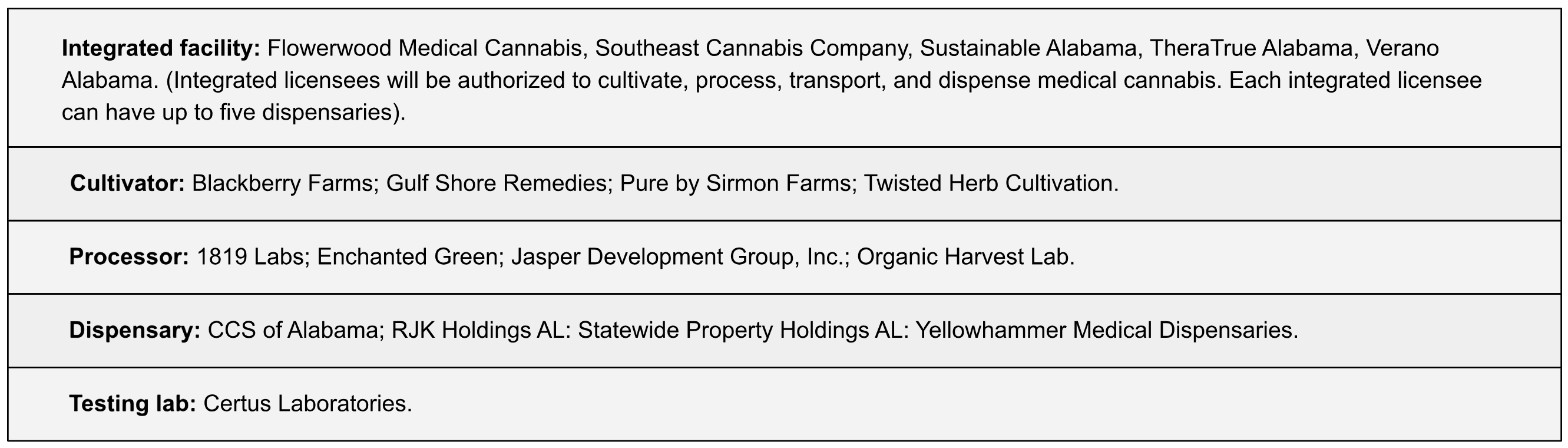
The following is a breakdown of the licensed companies organized by category:

The Licensing Process:

Following a meticulous evaluation process, the Alabama Medical Cannabis Commission granted licenses to 21 companies, selected from a pool of applicants. The commission carefully assessed each applicant’s qualifications, including their ability to meet stringent regulatory requirements and adhere to the state’s guidelines for the safe production and distribution of medical cannabis.

Diverse Range of Companies:

The 21 selected companies represent a diverse range of expertise within the medical cannabis industry. Among the licensed entities are cultivators, processors, dispensaries, and integrated vertically-oriented companies that handle multiple aspects of the supply chain. This approach ensures a robust and competitive market, fostering innovation and quality in the medical cannabis industry.

Impact on Patients:

The awarding of licenses to these companies paves the way for patients in Alabama to access medical cannabis products for the treatment of qualifying medical conditions. The increased availability of licensed dispensaries across the state will allow eligible patients to obtain safe and regulated cannabis-based treatments. This marks a significant advancement in the healthcare options available to those suffering from conditions such as chronic pain, epilepsy, multiple sclerosis, and other debilitating ailments.

Economic Opportunities:

The establishment of a regulated medical cannabis industry in Alabama brings forth a host of economic opportunities for the state. With the issuance of licenses, these 21 companies will create new jobs in cultivation, processing, retail, and related sectors, contributing to the overall growth of the state’s economy. Additionally, the medical cannabis program is expected to generate tax revenue, which can be utilized for various public initiatives and healthcare programs.

Regulatory Framework and Oversight:

The Alabama Medical Cannabis Commission will continue to play a vital role in overseeing the licensed companies and ensuring compliance with the state’s regulatory framework. Stringent quality control measures and regular inspections will be enforced to guarantee the safety and efficacy of medical cannabis products. The commission’s commitment to robust oversight aims to protect patients and maintain the integrity of the program.

Future Developments:

With the licenses awarded and the regulatory framework in place, Alabama’s medical cannabis program is poised for further growth and development. Ongoing research, collaboration, and feedback from patients, healthcare professionals, and industry stakeholders will contribute to the program’s evolution and refinement over time. As the industry matures, it is anticipated that additional companies will enter the market, diversifying product offerings and enhancing accessibility for patients.

Conclusion:

The Alabama Medical Cannabis Commission’s issuance of licenses to 21 companies represents a significant milestone in the establishment of a regulated medical cannabis industry in the state. This development opens doors for patients to access safe and regulated medical cannabis treatments for qualifying conditions. Furthermore, it creates economic opportunities and tax revenue for Alabama while ensuring the program’s integrity through robust oversight. With the foundation laid, Alabama’s medical cannabis program is set to expand, benefiting patients and the state’s economy alike.

EXPLORE MORE NEWS

Major Corporations Investing in Cannabis

As cannabis legalization continues to spread across the country, major corporations are increasingly taking notice and investing in the industry. In April of 2023, a major beverage company announced a $100 million investment in a cannabis-infused drink startup, signaling the growing trend of large corporations entering the cannabis space.

Here is a map of all the cannabis stores in New Jersey 2023

The state of New Jersey has always been at the forefront of progressive changes, and with the legalization of recreational cannabis, it has taken another step towards pioneering new paths. As the Garden State embraces a budding industry, it is crucial for residents and entrepreneurs alike to understand the cannabis shop landscape in New Jersey.

Arkansas Medical Cannabis Sales Poised for Record Year with $23.2 Million in July

The trajectory of medical cannabis sales in Arkansas continues to set new records, with transactions in the state soaring to $23.2 million in July. This robust performance propels the total sales of medical marijuana in Arkansas for the initial seven months of 2023 to an impressive $164.6 million. Remarkably, this figure surpasses the corresponding period’s sales from the previous year by a substantial margin of $7.3 million, as reported by Fayetteville TV station KNWA.

A Historic Cannabis Banking Bill Advances to the Senate Floor

In a groundbreaking move, the Senate Banking Committee has approved the Secure and Fair Enforcement Regulation (SAFER) Banking Act, which seeks to bridge the gap between financial institutions and cannabis companies. This legislation, designed to end the cash-only transactions plaguing the industry, is now headed to the Senate floor after years of committee revisions and discussions.

Newsletter

Minnesota Becomes 23rd State to Legalize Adult-Use Marijuana, Including Delta-8 THC

Minnesota Becomes 23rd State to Legalize Adult-Use Marijuana, Including Delta-8 THC

Minnesota recently joined the ranks of states that have legalized adult-use marijuana, making it the 23rd state in the U.S. to do so. Governor Tim Walz signed a groundbreaking legalization bill into law on Tuesday, which not only allows the use of marijuana but also permits the sale of hemp-derived cannabinoids like delta-8 THC.  Below is an overview of Minnesota’s unique approach to legalization, the implementation timeline, and the state’s progressive stance on hemp-derived products.

Legislative Legalization and Governor’s Support

Minnesota is one of a growing number of states that have legalized cannabis through the legislative process rather than relying on ballot initiatives. Unlike some states that allow citizen-initiated ballot questions, Minnesota does not permit this method of legalization. The legislation was signed by Governor Tim Walz, who was joined by cannabis advocates and former Minnesota Governor Jesse Ventura, a prominent supporter of legalization.

Key Provisions of the New Law

Effective from August 1st, Minnesotans aged 21 and over will be legally allowed to possess and cultivate cannabis. The law also imposes a 10% tax on marijuana sales. However, the issuance of the first retail business licenses by the newly established Office of Cannabis Management is expected to take approximately one year. This delay ensures the necessary regulations and infrastructure are in place for a successful launch of the state’s adult-use market.

Minnesota’s Unique Stance on Hemp-Derived Cannabinoids

What sets Minnesota apart from other states is its inclusive approach to hemp-derived cannabinoids, particularly delta-8 THC. While 14 states have banned or strictly regulated such products due to concerns over competition with regulated cannabis industries, Minnesota welcomes their inclusion in the mainstream state-legal cannabis industry. The state has introduced a “mezzobusiness” license that allows holders to cultivate, manufacture, and operate up to three retail locations selling marijuana and products containing hemp-derived cannabinoids.

Local Control and Medical Marijuana Operators

Although there is no statewide license cap, localities have the authority to limit the number of dispensaries to one per 12,500 residents. This provision ensures that the establishment of cannabis businesses aligns with the preferences and needs of individual communities. Furthermore, Minnesota’s medical marijuana operators, currently limited to just two multistate companies, will be permitted to enter the adult-use market, expanding the industry and increasing consumer choice.

THC-Infused Drinks and the Testing Ground

Minnesota’s new law also positions the state as a testing ground for THC-infused drinks. Liquor and convenience stores will be allowed to sell these products, presenting an opportunity for innovative cannabis entrepreneurs to explore this emerging market segment. THC-infused drinks have gained popularity in the state since their legalization for sale a year ago alongside other hemp-derived cannabinoid-infused products.

Conclusion

With the legalization of adult-use marijuana, including the sale of hemp-derived cannabinoids like delta-8 THC, Minnesota has become the 23rd state to embrace cannabis reform. By taking a legislative approach and involving key stakeholders, the state aims to establish a well-regulated market that ensures public safety and generates tax revenue. Minnesota’s progressive stance on hemp-derived products, along with its allowance for medical marijuana operators to participate in the adult-use market, signals a promising future for the cannabis industry in the state.

Original Source: Mjbizdaily

Publisher/Reporter: Chris Roberts

Publish Date: May 30, 2023

EXPLORE MORE NEWS

Major Corporations Investing in Cannabis

As cannabis legalization continues to spread across the country, major corporations are increasingly taking notice and investing in the industry. In April of 2023, a major beverage company announced a $100 million investment in a cannabis-infused drink startup, signaling the growing trend of large corporations entering the cannabis space.

Elevating Cannabis Brands: The Path to Luxury Through Sensory Science and Consumer-Accessible Branding

Cannabis brands are currently at a crossroads, faced with a critical decision: whether to steer their product towards becoming a luxury consumable or an affordable agricultural commodity. While the trajectory of the cannabis market seems destined to evolve into a luxury goods industry, akin to wine and spirits, the foundations of such luxury brands in other markets were built over years of engagement between consumers, connoisseurs, and producers. To successfully market cannabis products as luxury items, a concerted effort towards well-defined, consumer-accessible branding is required.

Maryland Cannabis Legalization Takes Effect This Weekend, With Sales Set To Launch As Governor Reaffirms Equity Goals

Maryland is gearing up for the official implementation of its marijuana legalization law, set to take effect this weekend. The new law will legalize the possession and cultivation of cannabis for personal use, marking a significant milestone for the state. As the majority of existing medical cannabis dispensaries prepare to open their doors to adult consumers, Governor Wes Moore is reaffirming his commitment to fostering an equitable and inclusive cannabis industry.

Maryland’s First Week of Adult-Use Cannabis Sales Exceeds $20 Million, Fueling Optimism for the Industry’s Growth

In the inaugural week of adult-use sales in Maryland, the combined sales of medical and recreational cannabis products by marijuana retailers reached nearly $21 million. This landmark moment in Maryland’s cannabis industry is the result of a significant historical development—the legalization of recreational cannabis in the state.

Newsletter

Cannabis Infused Beverages Are On The Rise

Cannabis Infused Beverages Are On The Rise

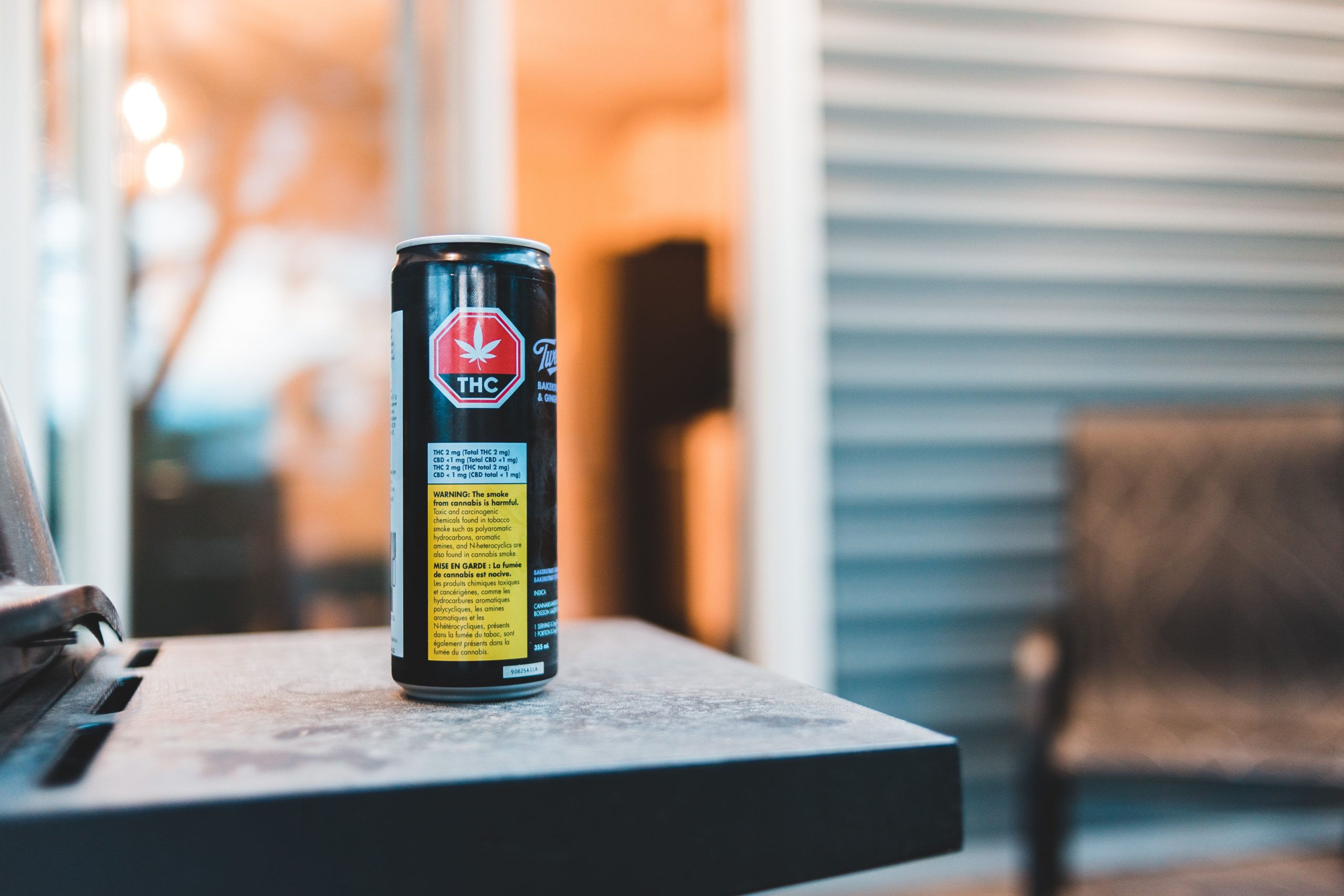
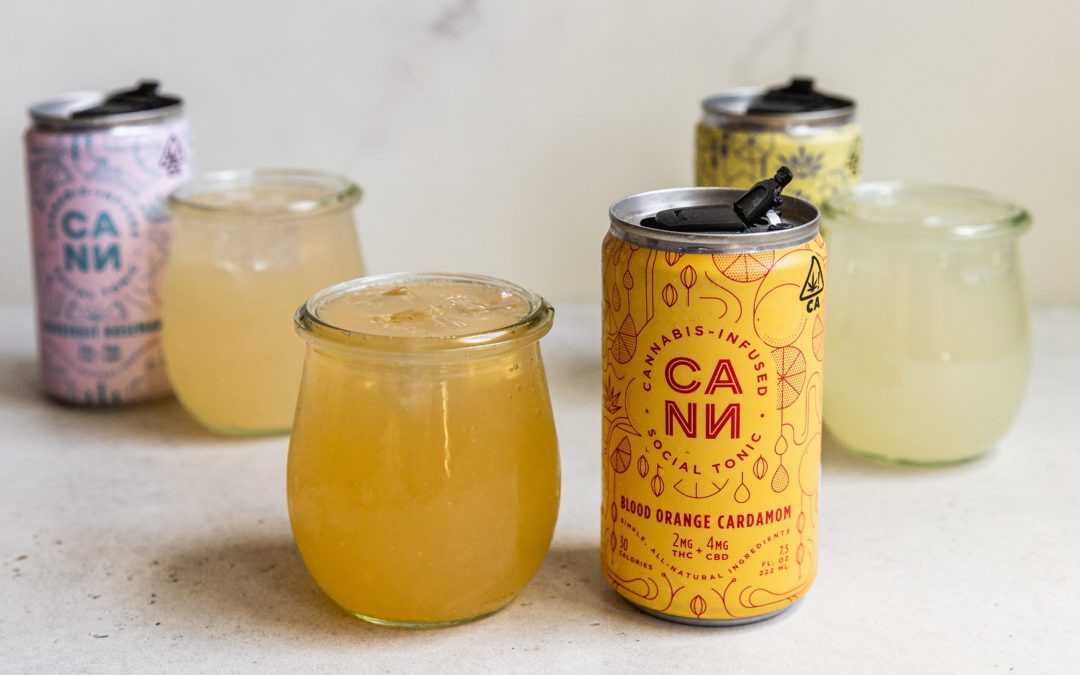
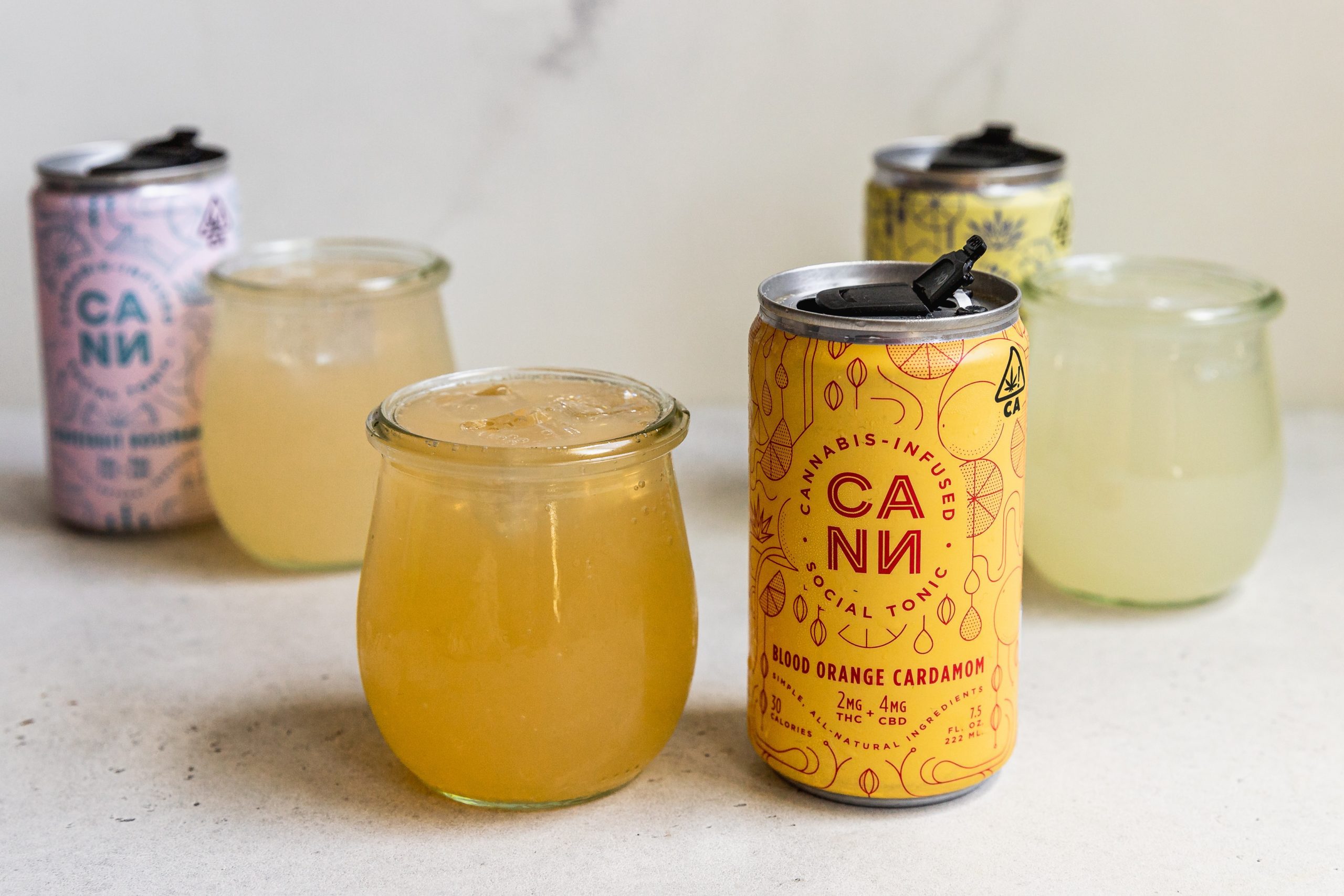
Cannabis consumption is no longer limited to smoking or edibles. In recent years, the industry has seen the rise of cannabis-infused beverages as a new way for consumers to enjoy the benefits of cannabis. These drinks come in various forms such as sodas, teas, beers, and even wines. With their discreet nature and easy consumption, cannabis-infused beverages have become increasingly popular among cannabis consumers.

The process of making cannabis-infused beverages begins with extracting cannabinoids from the cannabis plant. One common method of extraction is CO2 extraction, which involves using pressurized carbon dioxide to extract cannabinoids from the plant material. This method is preferred because it’s safe, efficient, and produces a high-quality extract. Another method is ethanol extraction, which uses ethanol to dissolve the cannabinoids and other compounds in the plant.

Once the extract is obtained, it’s then infused into the beverage using a variety of techniques. One common method is to emulsify the extract into a water-soluble form, which allows for better absorption and distribution throughout the beverage. This can be done using techniques such as nanoemulsion, which breaks down the extract into tiny particles that can easily mix with the beverage. Other methods include using liposomes, which are tiny fat bubbles that can carry the extract, or microemulsions, which use surfactants to create stable mixtures.

There are several advantages to using cannabis-infused beverages over traditional methods of consumption. One major advantage is the fast onset time, with effects typically being felt within 15-30 minutes of consumption, as opposed to 30-90 minutes for edibles. The effects also tend to be more predictable and consistent, as the dosage is easier to control. Additionally, cannabis-infused beverages offer a discreet way to consume cannabis, with no smoke or smell.

The trend towards cannabis-infused beverages has been gaining momentum in recent years. Sales of cannabis-infused drinks reached $64 million in the US in 2022, and the global market for cannabis-infused beverages is projected to reach $2.8 billion by 2025, according to a report by Grand View Research. The same report also predicts that the cannabis-infused beverage market will grow at a compound annual growth rate of 17.8% from 2022 to 2025.

One reason for the growing popularity of cannabis-infused beverages is the fact that they appeal to a wide range of consumers, including those who may not be interested in smoking or edibles. With a variety of flavors and potencies available, there is something for everyone.

In addition, infused beverages are being embraced by the mainstream market. In 2023, a major beverage company invested $100 million in a cannabis-infused drink startup, signaling a growing interest in this sector of the cannabis industry.

According to a survey by BDS Analytics, 20% of cannabis consumers in the US have tried cannabis-infused beverages, and 44% are interested in trying them. This shows that there is significant potential for growth in this market, as more consumers become interested in incorporating cannabis into their lifestyles.

The potential impact of cannabis-infused beverages on the industry is significant. With the legalization of cannabis becoming more widespread, the market for infused beverages is expected to grow significantly in the coming years. According to a report by Zion Market Research, the global cannabis-infused beverages market is expected to reach $2.8 billion by 2025. This growth is driven by increasing demand from consumers who are looking for a healthier, more discreet way to consume cannabis.

The emergence of cannabis-infused beverages has also attracted the attention of major beverage companies. For example, in 2022, Molson Coors announced a joint venture with Hexo Corp to develop cannabis-infused beverages for the Canadian market. In 2023, PepsiCo announced that it was considering the possibility of entering the cannabis-infused beverage market. These investments from major companies are a sign of the growing acceptance of cannabis as a mainstream consumer product.

In conclusion, cannabis-infused beverages are an exciting new development in the cannabis industry. With their fast onset time, consistent dosing, and discreet nature, they offer a convenient and accessible way for consumers to enjoy the benefits of cannabis. As the market for infused beverages continues to grow, we can expect to see more innovation and investment in this space, further cementing cannabis as a legitimate and valuable industry.

EXPLORE MORE NEWS

Major Corporations Investing in Cannabis

As cannabis legalization continues to spread across the country, major corporations are increasingly taking notice and investing in the industry. In April of 2023, a major beverage company announced a $100 million investment in a cannabis-infused drink startup, signaling the growing trend of large corporations entering the cannabis space.

Breaking Boundaries: Cannabis Wholesale Revolutionizes Hawaii’s Market

In the idyllic landscape of Hawaii, where natural barriers isolate its islands, a pioneering trend is taking root. Several medical cannabis companies in the state are now engaged in wholesale distribution, facilitating the sale and delivery of marijuana products between islands. This groundbreaking development marks a significant milestone for the Hawaiian cannabis industry and is a rarity in the broader U.S. market.

South Dakota’s Medical Cannabis Program Surpasses Expectations, Raises Concerns

South Dakota’s foray into medical cannabis has far exceeded its initial projections, with the issuance of medical cannabis cards doubling the expected numbers. Since the program’s launch in 2021, the South Dakota Department of Health has issued approximately 11,500 medical cannabis cards, significantly surpassing the original projection of 6,000 cards to be issued by 2024.

Elevating Cannabis Brands: The Path to Luxury Through Sensory Science and Consumer-Accessible Branding

Cannabis brands are currently at a crossroads, faced with a critical decision: whether to steer their product towards becoming a luxury consumable or an affordable agricultural commodity. While the trajectory of the cannabis market seems destined to evolve into a luxury goods industry, akin to wine and spirits, the foundations of such luxury brands in other markets were built over years of engagement between consumers, connoisseurs, and producers. To successfully market cannabis products as luxury items, a concerted effort towards well-defined, consumer-accessible branding is required.

Newsletter